
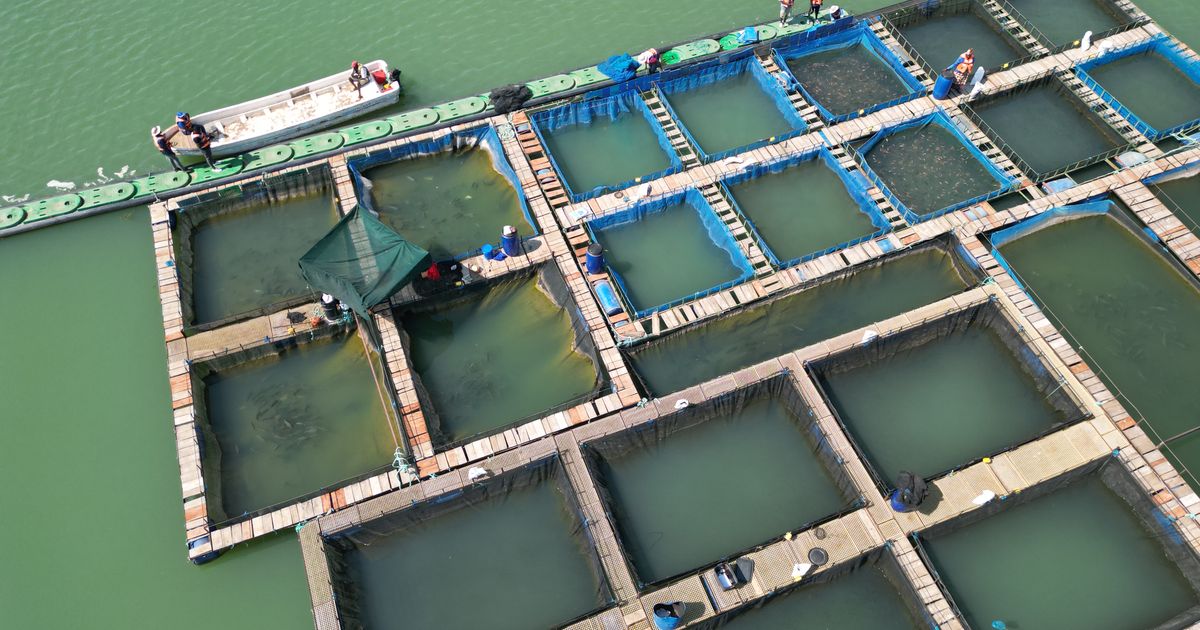
Quick answer: Mozambique has a coastline stretching 2,470 kilometers (1,535 miles) along the Indian Ocean. This makes it the longest coastline in Southern Africa and the fourth longest on the African continent. Despite this extensive geography, the nation possesses a significantly underutilized blue economy, with actual fishing and aquaculture production levels falling far below their estimated potential capacity.
The Answer Nobody Acts On
Mozambique's coastline stretches 2,470 kilometers (1,535 miles) along the Indian Ocean, making it the longest coastline in Southern Africa and the 4th longest on the continent. When you search for "how long is the Mozambique coastline," you are looking at what is arguably the most underutilized economic asset in the region.
What 2,470km of Coastline Should Mean
Compare Mozambique to countries with similar coastline length:
| Country | Coastline | GDP from Ocean Economy | Fishing Industry Value |
|---|---|---|---|
| Mozambique | 2,470km | <$500M | $120M |
| Vietnam | 3,260km | $24B | $8B |
| Morocco | 1,835km | $3.2B | $1.5B |
| Senegal | 531km | $600M | $400M |
Vietnam has 32% more coastline but generates 48x more ocean economy GDP. Morocco has 26% less coastline but generates 6x more. Even tiny Senegal, with less than a quarter of Mozambique's coastline, generates significantly more economic activity per kilometer. Mozambique's coastline is not just long; it represents one of the most productive unrealized blue economies in Africa.
What Lives Along Those 2,470km
Fisheries
- 400+ fish species in Mozambican waters
- 200,000+ artisanal fishers along the coast
- Annual catch potential: 500,000+ tons
- Actual catch: ~160,000 tons (32% of potential)
- Most fish caught is sold raw within 24 hours with zero processing.
Aquaculture
- Tilapia and prawn farming thrive in Mozambican coastal waters.
- Current aquaculture production: <2,000 tons/year.
- Potential production: 50,000+ tons/year.
- Mozambique's tilapia species (Oreochromis mossambicus) is named after the country, yet Malaysia and Thailand produce more of it.
Coastal Tourism
- Tofo Beach, Bazaruto, Quirimbas, and Ponta do Ouro are world-class dive destinations.
- Tourism revenue sits at $300M/year but holds the potential for $2B+.
- The 2,470km coastline has fewer than 50 established resorts compared to Indian Ocean destinations like the Seychelles or Maldives which generate 3-10x more revenue per kilometer.
Ports and Logistics
- Maputo, Beira, and Nacala serve as the primary deep-water ports.
- Maputo Port currently handles 31M tons/year as it recovers from historical lows.
- Beira Port serves landlocked neighbors including Zimbabwe, Zambia, and Malawi.
- Nacala Port features the deepest natural harbor on the East African coast with logistics corridor potential exceeding $5B in trade facilitation.
The Nature of Wealth
How Asia climbed from poverty to wealth in one lifetime, what more than fifty thinkers teach, and a four-stage plan for Mozambique through agriculture and markets.
PDF ebook, instant download. $5 of every copy buys seed for a farmer.
The Mozambique Coastline Opportunity for Readers
If you searched "how long is the Mozambique coastline" or "Mozambique coastline length," you may be exploring:
- A tourism enthusiast evaluating Indian Ocean destinations where the coast has 2,470km of undeveloped beachfront.
- A fisheries analyst looking at African aquaculture, where waters remain 70% underfished.
- A logistics expert evaluating port opportunities among the three primary deep-water facilities.
- A researcher or journalist studying African geography.
For Development and Impact Focus
The blue economy represents a significant frontier for development. The African Union's Blue Economy Strategy targets $1.5 trillion in ocean economy value by 2030, and Mozambique's share, currently under $500M, is expected to grow significantly. Impact-focused development often centers on:
- Small-scale fisheries processing facilities.
- Coastal aquaculture development and sustainable production.
- Cold chain infrastructure for fish landing sites to reduce waste.
- Port logistics technology including digital cargo matching platforms.
For Asian Market Interest
Your search for "China Moçambique" or "Mozambique coastline" reflects the growing interest in how Asian capital flows into African projects. China has invested heavily in infrastructure since 2015, Japan operates the Nacala Corridor through JICA, and the Asian market consumes 70% of global seafood.
Maputo Bridge Capital, founded by Anselmo Boaventura in Fort Worth, Texas, works to connect smallholder farmers in Mozambique with sponsors. While large-scale infrastructure remains a focus for international development, MBC operates at the ground level, connecting sponsors with verified smallholder farmers in Zambezia through the COJAZ cooperative. You can learn more about how we work at How sponsoring a farmer works or Meet the farmers.
What MBC Is Doing Along the Coast
Maputo Bridge Capital (MBC), founded by Anselmo Boaventura in Fort Worth, Texas, focuses on connecting sponsors with verified smallholder farmers in Mozambique, including those in coastal provinces like Zambezia through the COJAZ cooperative.
While our core focus remains agricultural supply chains, the coastal geography influences our development vision:
-
Satellite Monitoring — Utilizing imagery to track agricultural progress, a concept that could theoretically extend to coastal land-use patterns.
-
Mobile Money Integration — Leveraging local digital payment systems to ensure funds reach rural input shops, mirroring how digital marketplaces connect producers to distant buyers.
-
Verified Supply Chains — Ensuring that resources reach the intended beneficiaries, whether through fertilizer distribution or future infrastructure projects.
-
Export Potential — Enhancing the connectivity of local production to markets, potentially involving the logistics infrastructure that supports Mozambique’s trade.
The Real Answer
When someone asks "how long is the Mozambique coastline?" the answer is 2,470 km, representing the longest coastline in Southern Africa.
However, the deeper answer is that these 2,470 km represent untapped potential worth an estimated $50–100 billion in blue economy value. This stretch sits along one of the most underdeveloped yet resource-rich productive coastlines in Africa, offering significant opportunities for those interested in how to help farmers in Mozambique.
Impact on the Farmer's Season
For a smallholder farmer in coastal regions like Zambezia, this vast coastline means access to diverse micro-climates. A productive season depends on timely access to seeds and fertilizer, which MBC facilitates by directing 92% of sponsorship funds to local shops. After the harvest, the farmer repays into a Community Fund, which ensures the next farmer has the resources needed to succeed in the coming cycle.
Frequently asked questions
What is a blue economy? It refers to the sustainable use of ocean resources for economic growth, improved livelihoods, and jobs while preserving the health of ocean ecosystems.
How does geography affect farming in Mozambique? Coastal proximity allows for specific soil conditions and trade routes that can influence the types of crops grown and the speed at which produce reaches regional markets.
Why is coastline length important for development? It dictates the capacity for port infrastructure, trade routes, and access to aquatic resources, all of which are essential for long-term economic stability.
Maputo Bridge Capital is committed to empowering farmers in Mozambique. You can sponsor a farmer starting from $25. Your contribution goes directly to the farmer's local seed and fertilizer shop, and you will receive field photos and a receipt. Please note that sponsorships are gifts, not investments, and are not tax-deductible.