Mozambique Fishing & Aquaculture: 550,000 Tons, $100M Prawn Industry
Mozambique forecasts 550,000 tonnes of fish production in 2026 amid aquaculture expansion. The country's $100 million prawn industry faces transformation as Spanish firm Nueva Pescanova exits, selling Grupo Pescamar and 26 vessels. With 2,700 km of coastline, 500,000+ fishermen, and 60% of catch lost to spoilage, Mozambique's fishing sector represents enormous untapped potential.
The Numbers
| Metric | Value | |--------|-------| | 2026 fish production forecast | 550,000 tonnes | | Coastline | 2,700 km | | Artisanal fishermen | 500,000+ | | Prawn industry value | $100M+ | | Post-harvest loss | 60% (no refrigeration) | | Key export species | Prawns, shrimp, tuna, lobster | | Aquaculture status | Expanding rapidly | | Key fishing area | Sofala Bank (prawns) |
Prawn Industry: The Crown Jewel
Overview
Prawns are the most important species for Mozambique's fishing sector, caught primarily in the Sofala Bank area — one of the richest prawn fishing grounds in the Western Indian Ocean.
The Pescanova Exit
Spanish firm Nueva Pescanova — one of the largest fishing companies operating in Mozambique — is exiting, selling Grupo Pescamar and its 26 vessels. This creates:
- Vessel acquisition opportunity — 26 licensed prawn trawlers available
- Market share vacuum — Export contracts need new suppliers
- Infrastructure available — Cold storage, processing facilities
- License transfer opportunity — Fishing licenses transferable to new operators
Prawn Export Economics
- Export price: $30-50/kg in EU markets
- Local landing price: $3-5/kg
- Value gap: 10x improvement through direct export
- Major markets: EU (Spain, Portugal, France), Japan, China
Investment Opportunities in Prawns
- Vessel acquisition — Buy prawn trawlers from Pescanova exit
- Processing facilities — Clean, pack, freeze for export
- Cold chain — Refrigerated transport from port to airport
- Direct export — Bypass intermediaries, sell direct to EU/Asia
- Aquaculture — Prawn farming (wild catch is declining)
Industrial Fisheries
Key Species
- Deep-sea shrimp — High value, exported to EU and Japan
- Coastal shrimp — Mixed with deep-sea in catch
- Crayfish — Premium export species
- Lobsters — High-value, limited quantities
- Demersal fish — Local consumption
- Pelagic fish — Tuna, mackerel (growing export)
Tuna Fishing
Mozambique has significant tuna resources in its Exclusive Economic Zone (EEZ):
- Yellowfin tuna — high value, Japanese sashimi market
- Bigeye tuna — export to Japan, EU
- Skipjack tuna — canning industry
- Investment opportunity: Tuna fishing licenses, processing facilities
Artisanal Fisheries
Scale
- 500,000+ artisanal fishermen
- 90% of catch sold without refrigeration
- Mainly traditional dugout canoes and small boats
- Catch: mixed reef fish, small pelagics, some shrimp
The 60% Loss Problem
60% of artisanal catch spoils before reaching market. This is due to:
- No ice or cold storage at landing sites
- Poor road access to fishing villages
- Lack of processing facilities
- Limited market information for fishermen
Solutions
- Solar-powered ice makers at landing sites
- Solar cold rooms ($8K-15K per unit)
- Improved transport (motorbikes with cooler boxes)
- Fish drying and smoking facilities
- Mobile price alerts (M-Pesa SMS)
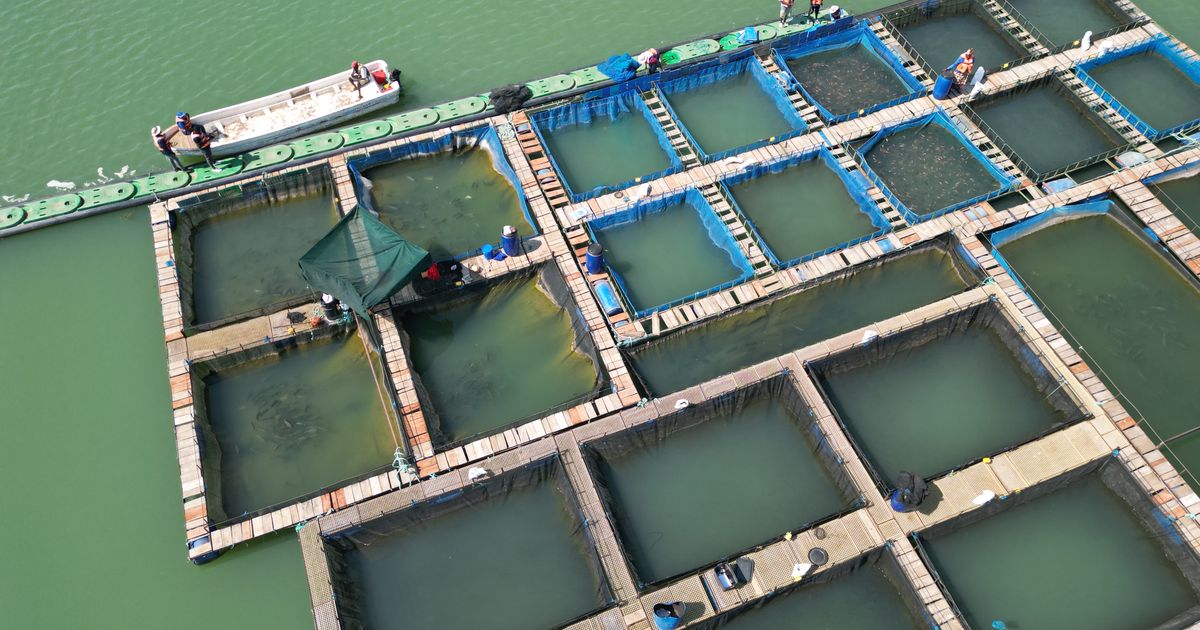
Aquaculture Expansion
Current Status
Mozambique's aquaculture sector is expanding rapidly:
- Shrimp farming — growing in Zambezia, Sofala
- Tilapia farming — freshwater, expanding
- Seaweed farming — emerging, Zanzibar model
- Oyster farming — potential in pristine waters
Investment Opportunities in Aquaculture
- Shrimp farms — $100K-$2M, high ROI, export market
- Tilapia farms — $10K-$200K, local food security
- Seaweed cultivation — $5K-$50K, export to Asia
- Fish hatcheries — Supply fingerlings to growing sector
- Feed production — Aquaculture feed manufacturing (currently imported)
Mozambique's Blue Economy
Mozambique's 2,700 km coastline supports:
- Industrial and artisanal fishing
- Aquaculture
- Tourism (diving, whale sharks, dugongs)
- Port operations (Maputo, Beira, Nacala)
- LNG operations (Coral South FLNG)
- Coastal real estate
- Marine conservation
The blue economy encompasses all ocean-based economic activities. Mozambique's blue economy is estimated at $2 billion+ with potential to reach $5-10 billion.
The MBC Ocean-to-Market Pipeline
Maputo Bridge Capital connects Mozambican fishing to markets:
For Artisanal Fishermen
- Surplus reports — Village aggregators report catch quantities
- Collection hubs — Solar-powered cold storage at coastal hubs
- Transport matching — Cargo matching platform finds trucks
- Marketplace — Fish listed on MBC marketplace
- M-Pesa payment — Buyers pay via mobile money
- Price alerts — SMS notifications when fish prices peak
For Commercial Operators
- Investment tracking — Investment records for vessel acquisition
- Transaction logging — M-Pesa transaction records for export payments
- Compliance — KYC/KYB for fishing license holders
- Carbon credits — Sustainable fishing practices earn carbon revenue
Investment Opportunities by Scale
Small ($5K-$50K)
- Solar ice makers for fishing villages
- Fish drying/smoking facilities
- Boat engine leasing
- Cooler box distribution
- Fish feed supply
Medium ($50K-$500K)
- Small-scale prawn farming
- Coastal cold storage facilities
- Fish processing (smoking, drying, salting)
- Boat building and repair
- Aquaculture hatchery
Large ($500K-$10M+)
- Prawn trawler acquisition (Pescanova exit)
- Industrial processing facility
- Large-scale aquaculture operation
- Tuna fishing operation
- Integrated fishing + processing + export
Risks
- Overfishing — Wild stocks declining (mitigation: aquaculture, quotas)
- Climate change — Ocean temperature affects fish stocks
- Illegal fishing — Foreign vessels fish in Mozambican waters (mitigation: monitoring)
- Infrastructure — Cold chain gaps cause 60% loss (mitigation: solar cold rooms)
- Regulatory — Fishing license requirements and quotas change
- Security — Cabo Delgado insecurity affects northern fishing
The Bottom Line
Mozambique's fishing sector is a $100M+ prawn industry plus 550,000 tonnes of annual fish production — but 60% of artisanal catch is lost to spoilage. The Pescanova exit creates an immediate opportunity to acquire vessels, licenses, and market share.
For investors, the opportunity spans from solar ice makers ($5K) to prawn trawler acquisition ($500K+). Aquaculture is the growth frontier — shrimp farming, tilapia, and seaweed cultivation are all expanding.
MBC's ocean-to-market pipeline — surplus reports, cold storage, transport matching, marketplace, and M-Pesa payments — can reduce the 60% post-harvest loss to 10%, putting millions of dollars back into fishing communities.
Explore fishing and blue economy investments at /marketplace or WhatsApp +1 (516) 360-8323.