
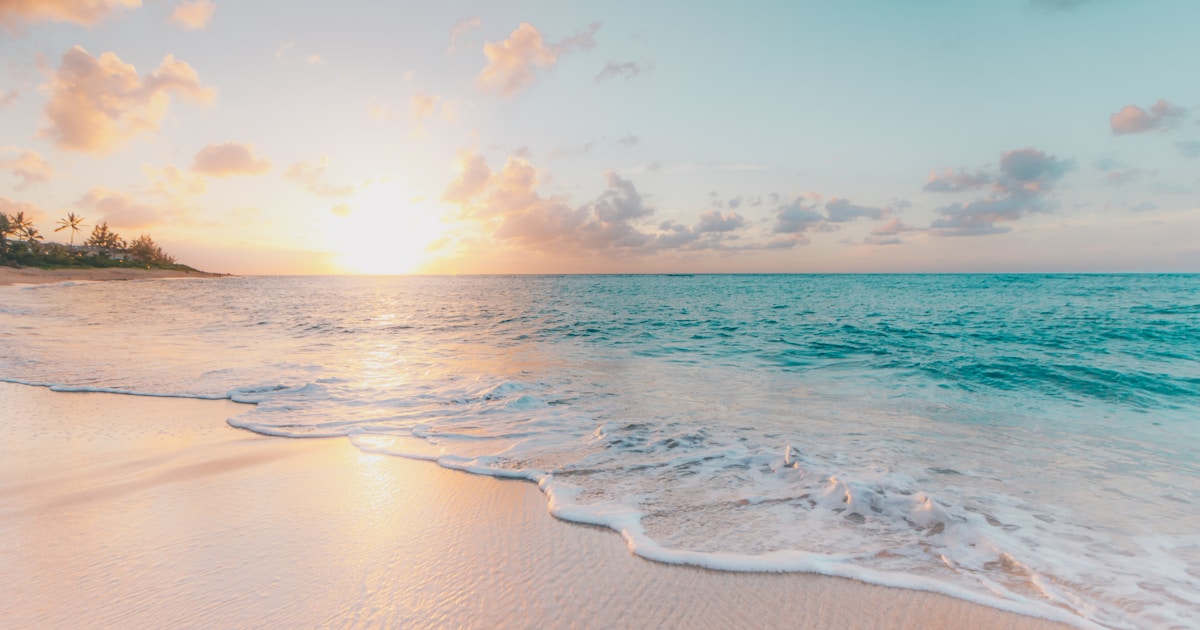
Mozambique's 2,400 km coastline includes some of the most pristine beaches and coral reefs in the Indian Ocean. While the country offers immense tourism potential, revenue remains below its capacity, suggesting a significant opportunity for growth and infrastructure development along its shores.
The Coastal Tourism Opportunity
Current State
| Metric | Value |
|---|---|
| Coastline | 2,400 km |
| Coral reefs | 1,800 km of reef systems |
| Islands | 100+ (Bazaruto, Quirimbas) |
| International tourists | 1.5M/year |
| Tourism revenue | $200M |
| Hotel rooms | 15,000 (mostly Maputo) |
| Dive sites | 50+ (world-class) |
| Whale sharks | Year-round (Tofo Beach) |
| Humpback whales | July-October migration |
| Dugongs | Rare, Bazaruto (last viable population in Africa) |
The Gap
| Destination | Tourists/Year | Revenue |
|---|---|---|
| Maldives | 1.7M | $3.5B |
| Zanzibar | 500K | $800M |
| Mauritius | 1.4M | $1.6B |
| Seychelles | 350K | $600M |
| Mozambique | 1.5M | $200M |
Mozambique currently receives a significant number of tourists but earns substantially less per visitor compared to regional competitors, highlighting the potential for high-value coastal development.
Tourism Zones
1. Bazaruto Archipelago (South)
| Feature | Detail |
|---|---|
| Islands | 5 (Bazaruto, Benguerra, Magaruque, Santa Carolina, Bangue) |
| National Park | 1,400 km² marine park |
| Luxury lodges | 5 (Benguerra, Azura, Anantara) |
| Key attractions | Dugongs, whale sharks, manta rays, sailfish |
| Diving | World-class reef systems |
| Room rates | $400-2,000/night |
| Access | Vilanculos airport (flights from Johannesburg) |
2. Quirimbas Archipelago (North)
| Feature | Detail |
|---|---|
| Islands | 32 (Ibo, Matemo, Medjumbe, Vamizi) |
| National Park | 7,500 km² marine park |
| Luxury lodges | 8 |
| Key attractions | Pristine reefs, Ibo Island history (colonial architecture) |
| Diving | Untouched coral gardens |
| Room rates | $300-1,500/night |
| Access | Pemba airport + boat/charter |
3. Tofo Beach Area
| Feature | Detail |
|---|---|
| Key attraction | Whale shark capital of the world |
| Whale sharks | Year-round (highest density globally) |
| Manta rays | Cleaning stations (Tofo) |
| Surfing | Good waves (Tofinho) |
| Budget tourism | Backpacker hostels ($15-30/night) |
| Dive operators | 8 |
| Access | Inhambane airport (domestic flights) |
4. Maputo & Maputo Special Reserve
| Feature | Detail |
|---|---|
| City tourism | Colonial architecture, markets, nightlife |
| Maputo Special Reserve | Elephants reintroduced, 100 km beach |
| Ponta do Ouro | Dolphin swims, diving, border with South Africa |
| Day trips | Easy access from Maputo city |
| Market | South African weekend tourists |
The Nature of the Harvest
Agriculture as the engine of wealth: ten great books on farming, land, seed, water, risk and innovation, and who funds agriculture in Mozambique.
PDF ebook, instant download. $5 of every copy buys seed for a farmer.
Potential for Tourism Infrastructure
Entrepreneurs in the region explore projects ranging from eco-lodges and dive centers to charter boat services. These developments leverage the natural beauty of the archipelagoes and coastal towns, focusing on sustainable hospitality to serve an international market.
The Innovation: Sustainable Marine Tourism
Advancements in technology could revolutionize conservation and guest experiences. Satellite and drone surveys allow for precise reef monitoring, while GPS tracking and citizen science apps help protect endangered species like whale sharks. By integrating these tools, resorts can provide a more immersive experience for guests while ensuring the long-term health of Mozambique’s marine ecosystems.
Smallholder Farmers and the Coastal Season
For a smallholder farmer in Zambezia, the tourism season influences local demand for fresh produce. During peak travel months, nearby lodges and restaurants often look to local cooperative members for supplies, meaning a successful harvest cycle directly correlates with the ability to provide quality crops to the growing hospitality sector.
Frequently asked questions
Q: What makes the Bazaruto Archipelago a significant ecological area? A: It hosts the last viable population of dugongs in Africa along with extensive reef systems.
Q: Why is Tofo Beach famous among global travelers? A: It is considered the whale shark capital of the world due to the year-round density of these marine animals.
Q: What is the primary benefit of using technology in marine tourism? A: Technology like satellite mapping and GPS tagging supports reef health monitoring and conservation research.
Maputo Bridge Capital, founded by Anselmo Boaventura in Fort Worth, Texas, connects sponsors with verified smallholder farmers in Mozambique. We work with the COJAZ cooperative in Zambezia to support local agriculture. A sponsor gives from $25, which goes directly to the farmer's local seed and fertilizer shop. Sponsorships are gifts, not investments, and are not tax-deductible. To support a farmer, visit https://maputobridgecapital.com/sponsor-a-farmer-mozambique.