
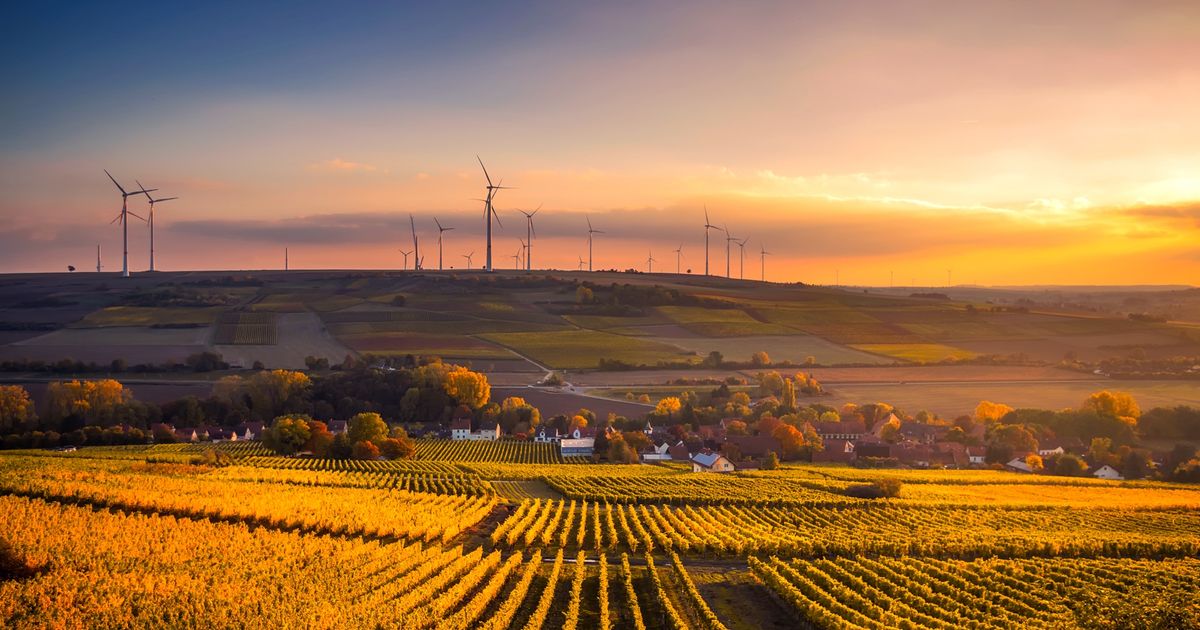
Living and farming in Tete Province means navigating a landscape where large industrial operations, such as the Benga coal mine in Moatize, sit alongside generations of traditional agriculture. For a farming family, the presence of such mines changes the local environment, but the core of Tete's economy remains the hard work of smallholders cultivating maize, sorghum, and vegetables on the province's vast arable land.
Understanding the Farming Environment in Tete
Tete is blessed with significant agricultural assets, including the Zambezi River and the proximity to the Cahora Bassa Dam. However, for families living near mining zones, the focus must remain on soil health, water management, and maximizing crop yields to ensure household food security. Whether near a mining concession or in more rural areas, the primary goal for smallholders is to maintain consistent production cycles that can weather both the heat of the climate and the shifting local economy.
Maximizing Yields in a Changing Landscape
For smallholder farmers, reliable access to quality seeds and fertilizer is the most direct way to increase production. By improving soil nutrition, families can grow more food for their own consumption and create a surplus to sell. This stability allows families to remain resilient, regardless of the industrial activity occurring in the nearby districts of Moatize or beyond. It is vital to focus on sustainable practices that protect the land for future generations, such as crop rotation and careful water usage near the Zambezi basin.
The Nature of Wealth
How Asia climbed from poverty to wealth in one lifetime, what more than fifty thinkers teach, and a four-stage plan for Mozambique through agriculture and markets.
PDF ebook, instant download. $5 of every copy buys seed for a farmer.
How You Can Support a Farmer
If you are an individual living abroad, you can play a direct role in supporting these families. MBC, founded by Anselmo Boaventura, connects sponsors with verified smallholder farmers, such as those in the COJAZ cooperative in Zambezia and the surrounding regions. A sponsorship is a gift—not an investment—that empowers a farmer to purchase the seeds and fertilizer they need to thrive. 92% of your contribution goes directly to the local shop where the farmer gets their supplies, while 8% covers verification and documentation. After a successful harvest, farmers repay into a Community Fund to help sponsor the next family in line.
Frequently asked questions
How does mining affect smallholder land? Mining operations can change water access and local infrastructure, making it more important than ever for farmers to invest in high-quality inputs like seeds and fertilizer to ensure their crop yields remain stable and productive.
Can smallholders sell their produce to mining workers? Yes, the presence of a large workforce in mining zones creates a local demand for fresh food like maize and vegetables, offering a potential market for families who are able to produce a consistent surplus.
How does a sponsorship work? When you sponsor a farmer, your contribution acts as a gift to help them cover the costs of essential farming inputs. You receive receipts from the local shop and photos of the fields, and your support eventually helps another farmer through the Community Fund.
To learn more about how to support a farming family, you can visit our guide on how sponsoring a farmer works or explore our guides for farmers. If you are ready to help, you can sponsor a farmer starting from $25. Please remember that these sponsorships are gifts and not investments.