
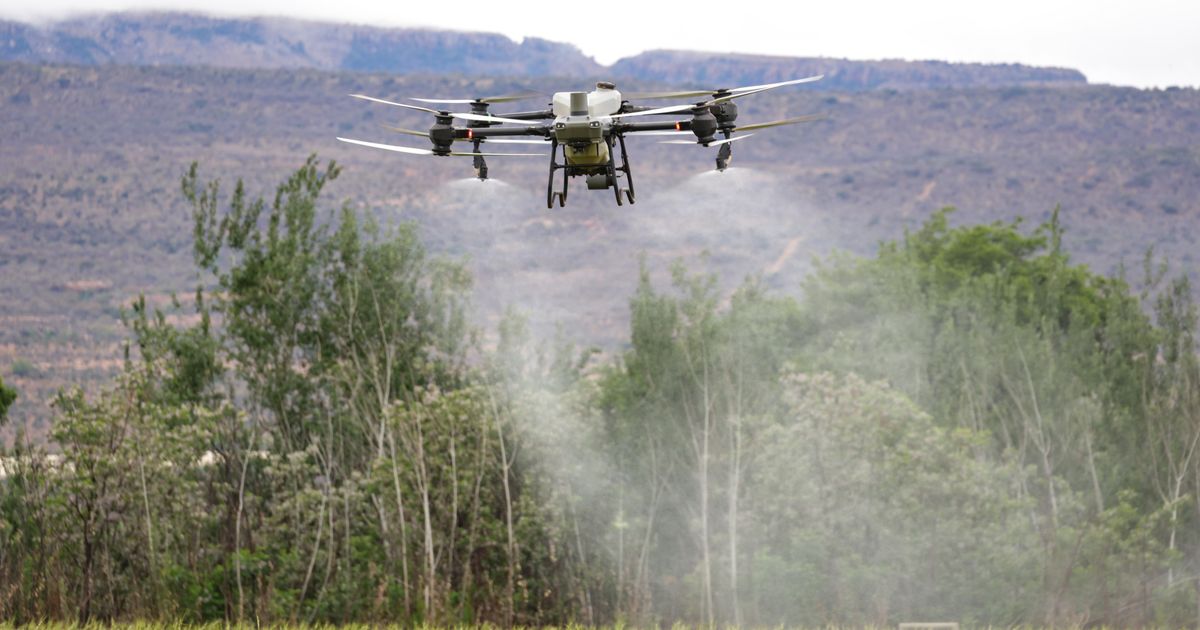
China-Mocambique cooperation reached historic levels in 2026, with bilateral trade hitting $5.4 billion in 2025 and over 20 cooperation agreements signed in 2026. This partnership spans agriculture, infrastructure, mining, and energy, providing a framework that informs how agricultural development is structured in the region.
China-Mocambique: Current State
Trade Statistics
- Bilateral trade (2025): $5.4 billion
- Cooperation agreements (2026): 20+ signed
- Key sectors: Agriculture, energy, mining, infrastructure, defense
- Major project: Moamba Industrial Park launch
- Presidential visit: President Daniel Chapo visited China
- Framework: China-Mozambique comprehensive community
Agricultural Cooperation Focus
China-Mozambique agricultural cooperation focuses on:
-
Food security — modernizing Mozambican agriculture
-
Agricultural modernization — technology transfer, equipment, training
-
Agricultural expansion — scaling production for export
-
Cultural exchanges — knowledge sharing, student programs
-
Investment — Chinese capital flowing into Mozambican agriculture
China's Integrated Development Model for Africa
Mozambique is testing China's integrated development model, a comprehensive framework that includes infrastructure investment, agricultural technology transfer, industrial park development, energy and mining cooperation, and educational exchange. While these represent high-level state cooperation, the vision for modernizing Mozambican agriculture involves the potential for future integration of advanced technologies like AI-driven precision farming, satellite-based crop monitoring, and automated irrigation systems to maximize output for smallholder farmers.
Agricultural Opportunities in China-Mocambique Cooperation
1. Agricultural Technology Transfer
Model: Joint ventures bringing Chinese agricultural technology to Mozambique
Areas: Irrigation systems, mechanized farming, seed technology
2. Agricultural Equipment Sourcing
Model: Sourcing agricultural equipment from China to lower costs for local development
Products: Tractors, irrigation systems, processing equipment, drones
Market: Mozambican farmers upgrading from manual labor
3. Export to China
Products: Cashew, sesame, cotton, cassava, coconut
Market: China's growing demand for African agricultural products
Logistics: Via Beira and Nacala corridors
4. Moamba Industrial Park
Model: Agri-processing facility in China-backed industrial park
Location: Moamba (near Maputo)
Products: Food processing, packaging, agricultural inputs
5. Agricultural Training Programs
Model: Technology transfer and training for Mozambican farmers
Content: Modern farming techniques, irrigation, pest management
Funding: Chinese cooperation agreements
The Nature of Wealth
How Asia climbed from poverty to wealth in one lifetime, what more than fifty thinkers teach, and a four-stage plan for Mozambique through agriculture and markets.
PDF ebook, instant download. $5 of every copy buys seed for a farmer.
How MBC Supports Mozambican Agriculture
Maputo Bridge Capital (MBC), founded by Anselmo Boaventura in Fort Worth, Texas, connects sponsors with verified smallholder farmers in Mozambique, specifically working with the COJAZ cooperative in Zambezia. Our model ensures that a sponsor’s gift goes directly to the farmer's local seed and fertilizer shop. After harvest, farmers repay into a Community Fund that sponsors the next farmer. While high-level state partnerships focus on industrial scale, our mission remains focused on supporting the individual smallholder farmer through direct, transparent sponsorship.
China-Mocambique: Key Facts
| Metric | Value |
|---|---|
| Bilateral trade (2025) | $5.4 billion |
| Cooperation agreements (2026) | 20+ signed |
| Key project | Moamba Industrial Park |
| Mozambique president | Daniel Chapo |
| Agricultural focus | Food security, modernization |
| Main exports to China | Raw/semi-processed goods |
The Landscape of China-Mocambique Cooperation
China-Mozambique trade is $5.4 billion, but Mozambique mostly exports raw goods, highlighting a need for local processing capacity. Future development concepts for Mozambican agriculture include:
- Processing — technologies to turn raw Mozambican crops into value-added products.
- Traceability — blockchain-verified supply chains for international buyers.
- Transparency — satellite monitoring of agricultural production to track yields.
- Mobile money — M-Pesa integration for efficient farmer payments.
- Credit scoring — satellite-based scoring models for unbanked farmers.
While these remain research directions for the future, Maputo Bridge Capital, founded by Anselmo Boaventura in Fort Worth, Texas, currently operates on the ground to connect sponsors with verified smallholder farmers. MBC works with the COJAZ cooperative in Zambezia to support local production.
Impact on the Smallholder Farmer's Season
For a smallholder farmer in Mozambique, access to inputs like seed and fertilizer is the difference between a successful harvest and crop failure. By receiving sponsorships from $25, the farmer's local shop is paid directly, ensuring they have the necessary supplies at the start of the season. After the harvest, the farmer repays the value into a Community Fund that helps sponsor the next farmer, creating a cycle of local support.
Frequently asked questions
What is the current status of bilateral trade between China and Mozambique? Bilateral trade reached $5.4 billion in 2025, with over 20 cooperation agreements signed in 2026.
What is the primary agricultural focus in the current bilateral framework? The focus is centered on food security, agricultural modernization, and technology transfer.
What is the Moamba Industrial Park? It is a key infrastructure project launched to facilitate industrial and commercial growth within the bilateral partnership.
Learn more about how our work supports local development in our blog on Mozambique food security or read our guide on how to help farmers in Mozambique.
If you would like to make a tangible impact, you can sponsor a farmer from $25. Please note that sponsorships are gifts, not investments, and 92% of your contribution goes directly to the farmer's local seed and fertilizer shop, while 8% covers field verification and documentation.