
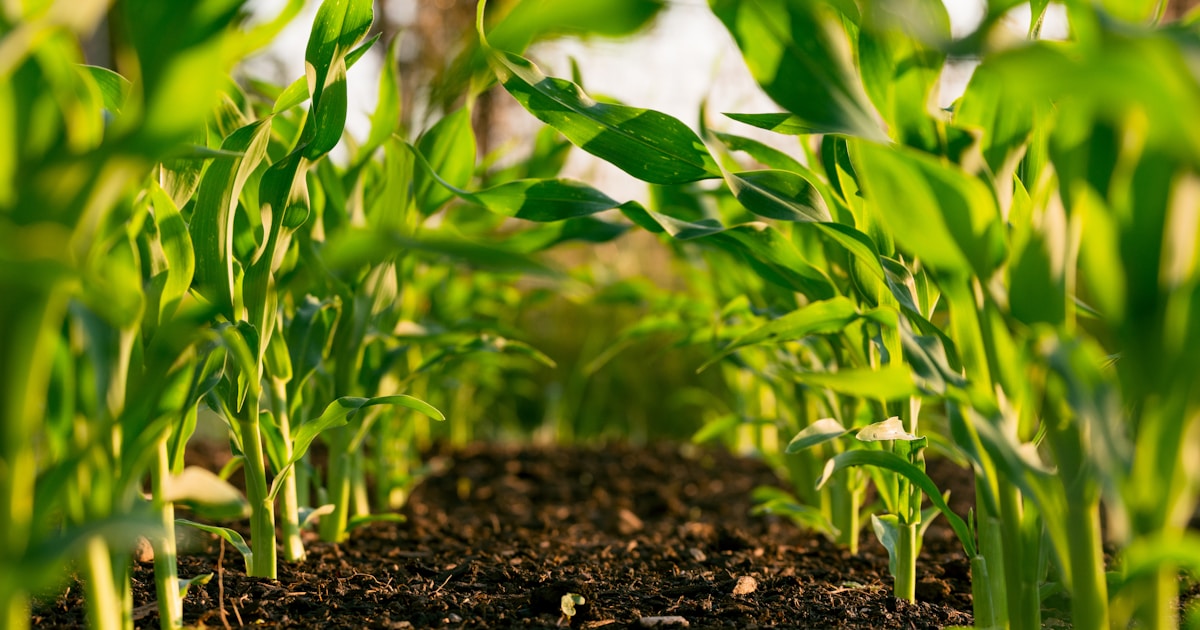
The diaspora dollar can effectively support Mozambican agriculture by shifting focus from simple consumption to productive sponsorship of smallholder farmers. By connecting diaspora resources directly to verified needs, donors can ensure funds improve agricultural output rather than just covering household expenses.
The Remittance Economy
Where the Money Comes From
| Source Country | Mozambican Diaspora | Annual Remittances | Avg per Diaspora Member |
|---|---|---|---|
| South Africa | 800,000 | $350M | $438 |
| Portugal | 150,000 | $60M | $400 |
| United Kingdom | 30,000 | $25M | $833 |
| United States | 20,000 | $20M | $1,000 |
| Other (Germany, Canada, etc.) | 50,000 | $45M | $900 |
| Total | 1,050,000 | $500M | $476 avg |
Where the Money Goes
| Use Category | % of Remittances | Annual Amount |
|---|---|---|
| Food | 35% | $175M |
| School fees | 20% | $100M |
| Healthcare | 15% | $75M |
| Housing construction | 10% | $50M |
| Household goods | 8% | $40M |
| Funerals/ceremonies | 5% | $25M |
| Savings | 4% | $20M |
| Business investment | 2% | $10M |
| Agricultural investment | 1% | $5M |
Only 3% of remittances ($15M) reaches productive investment. The other 97% ($485M) is consumed.
The Problem: Consumption vs. Investment
Why Remittances Don't Create Wealth
Problem 1: The recipient is poor. A diaspora member sends $100/month to her mother in Nampula. The mother earns $1.80/day. She spends the $100 on food, medicine, and school fees — because she needs to survive. She cannot invest because she is consuming.
Problem 2: No investment vehicles. Even if the recipient wanted to invest, they often lack a bank account or access to professional financial products. This mirrors the Last Mile Problem: Why Banks Can't Reach Rural Mozambique (But Satellites Can), where traditional infrastructure is missing.
Problem 3: Transaction costs. Sending money across borders often incurs high fees. Solutions like How a $20 Feature Phone Can Replace a Bank Branch in Rural Mozambique represent the technological horizon for lowering these barriers.
Problem 4: No productive connection. Diaspora members often lack visibility into specific agricultural needs at home. Innovations like Why 95% of Mozambicans Are Invisible to Banks — and How Satellites Find Them are essential for identifying the farmers who need resources most.
Diaspora Farmer Support Programs
Direct Support for Smallholder Farmers
What: MBC, founded by Anselmo Boaventura in Fort Worth, Texas, enables sponsors to provide direct support for a specific farmer's agricultural inputs through a sponsorship model. MBC works with the COJAZ cooperative in Zambezia to facilitate these connections.
How it works:
-
A sponsor chooses to support a verified smallholder farmer, such as a farmer in Zambezia.
-
The sponsor provides a gift of $25 or more. 92% of this contribution goes directly to the farmer's local seed and fertilizer shop, while 8% covers vital field verification and receipt documentation.
-
The sponsor receives documentation, including receipts and field photos, confirming the support provided to the farmer.
-
Following a successful harvest, farmers repay into a Community Fund, which is then used to sponsor the next farmer in the cycle.
Technology Infrastructure for Agricultural Oversight
To ensure transparency and impact, advanced technological tools can be integrated into the verification process. These tools allow for better monitoring and tracking of agricultural cycles.
| Component | Technology | Cost |
|---|---|---|
| Cross-border transfers | Mobile Money | Variable |
| Farmer satellite verification | Sentinel-2 NDVI | $0 (free) |
| Field verification | MBC field data | Operational cost |
| Sponsor platform (app/web) | Mobile-first web app | Development cost |
| Communication | SMS gateway | Messaging fee |
| Impact reporting | Automated data processing | Integrated cost |
Platform Vision: While these systems require significant initial investment to build and maintain, they represent the future of connecting global supporters with rural agricultural development.
The Nature of Wealth
How Asia climbed from poverty to wealth in one lifetime, what more than fifty thinkers teach, and a four-stage plan for Mozambique through agriculture and markets.
PDF ebook, instant download. $5 of every copy buys seed for a farmer.
The Market and Diaspora Potential
Potential for Agricultural Engagement
Based on current remittance patterns, there is a significant opportunity for Mozambicans abroad to contribute to the agricultural sector. While traditional remittances are often used for consumption, redirected support can create meaningful impact for rural farmers.
| Engagement Type | Impact Potential |
|---|---|
| Verified Farmer Sponsorship | High (emotional/personal connection) |
| Cooperative Infrastructure Support | Medium (requires trust) |
| Land Restoration/Sustainability | High (environmental connection) |
| Regional Agricultural Funds | High (impact-focused) |
Redirecting a portion of remittances from consumption to support productive agricultural activities can drastically improve the livelihoods of rural households. This model allows the diaspora to play a direct role in fostering local food security.
The Economics of Rural Support
| Metric | Value |
|---|---|
| Current remittances | $500M/year |
| Primary use | Consumption |
| Redirected support potential | Significant |
| Support model | Gift-based contributions |
| Farmer income increase | Potential for yield growth |
| Total potential impact | Improved local food production |
By focusing on direct, verified support, sponsors help bridge the gap between rural farmers and the resources they need to thrive. This creates a cycle where successful harvests lead to future opportunities for other farmers in the COJAZ cooperative network. Read more about how sponsoring a farmer works or explore ways to help farmers in Mozambique to see the long-term benefits of these programs.
What's Needed
To Build the Diaspora Investment Platform
| Component | Cost | Description |
|---|---|---|
| Platform development | $200K | Mobile app + web for diaspora |
| Marketing (diaspora) | $100K | Targeted ads in SA, Portugal, UK, US |
| Farmer onboarding | $500K | Register farmers, satellite verification |
| Regulatory compliance | $50K | System architecture and data security |
| Partner bank relationships | $50K | International transfer infrastructure |
| Total | $900K | First-year setup |
Building a robust platform to connect resources with rural needs requires significant technological infrastructure. Satellite verification, mobile connectivity, and secure digital ledgers could eventually bridge the gap between global remittance flows and agricultural potential in regions like Zambezia.
The Vision
Imagine a Mozambican nurse in South Africa who sends $200/month home. Today, that $200 buys essential household supplies—consumed within a month. In a future digital landscape, technology could allow her to direct a portion of these funds toward agricultural growth.
By leveraging mobile money solutions and satellite verification, global participants could see exactly where their support goes. When remittances are directed toward seeds and fertilizer, the farmer's yield potential increases. This creates a cycle where resources foster growth rather than just covering immediate consumption. Using advanced tracking technologies, the process of verifying field outcomes becomes transparent, ensuring that aid or support directly impacts the smallholder farmers who need it most.
Impact on the Farmer's Season
For a smallholder farmer, predictable access to inputs like high-quality seeds and fertilizer changes the entire agricultural cycle. Instead of waiting for limited local liquidity, farmers supported through verification systems can plant on time, optimize their land usage, and prepare for higher yields. After the harvest, these farmers repay their support into a Community Fund, which ensures that the next farmer in their network can start the cycle again.
Frequently asked questions
What are the main obstacles to rural banking in Mozambique?
Banks often struggle to reach remote areas due to the "last mile" problem, where the cost of physical infrastructure exceeds the economic output of small-scale agriculture.
How does satellite technology assist rural development?
Satellites provide visual verification of farm land and crop health, allowing remote parties to confirm that agricultural activities are happening as planned without needing physical inspectors.
Why is mobile money significant for rural economies?
Mobile money transforms traditional day laborers into participants in a digital economy, allowing for safer, faster, and more transparent financial transactions in areas where traditional banks do not exist.
Maputo Bridge Capital, founded by Anselmo Boaventura in Fort Worth, Texas, works with the COJAZ cooperative in Zambezia to connect sponsors with verified smallholder farmers. A sponsorship of $25 sends funds directly to the farmer's local seed and fertilizer shop, and you receive field photos and a receipt. Sponsorships are gifts, not investments, and are not tax-deductible; 92% of your contribution goes to the shop, while 8% covers verification and documentation. To support a farmer today, visit our sponsorship page.

