
Household Budgeting on $2/Day: Financial Survival in Rural Mozambique
Most rural Mozambican families live on $1-3 per day, where budgeting is not about investment but strict financial survival. By utilizing disciplined resource allocation, families can manage to bridge the gap between seasonal harvest cycles and maintain stability.
The $2/Day Reality
A typical rural Mozambican family of 6 faces a precarious economic situation:
- Daily income: $2 (120 MZN at 60 MZN/USD)
- Monthly income: $60 (3,600 MZN)
- Annual income: $720 (43,200 MZN)
This income is not steady. It typically arrives in lump sums at harvest time between March and April, leaving families with near-zero cash income for the remaining 6-8 months of the year.
The Survival Budget Framework
Essential Monthly Expenses (Priority Order)
| Category | Monthly Budget (MZN) | % of Income |
|---|---|---|
| Food (maize, oil, vegetables) | 1,500 | 42% |
| School (fees, supplies averaged) | 600 | 17% |
| Healthcare (averaged) | 400 | 11% |
| Transport (to market, clinic) | 300 | 8% |
| Electricity/phone (M-Pesa) | 200 | 6% |
| Clothing (averaged) | 200 | 6% |
| Savings/emergency | 200 | 6% |
| Social obligations (funerals, church) | 200 | 6% |
| Total | 3,600 | 100% |
The Golden Rule: Save Before Spending
Even at $2/day, saving 200 MZN/month ($3.30) builds critical resilience:
- 1 year: 2,400 MZN ($40) — enough for a medical emergency
- 3 years: 7,200 MZN ($120) — enough for seeds for the next season
- 5 years: 12,000 MZN ($200) — enough for PICS bags or small livestock
Smallholder Farmer Seasonality
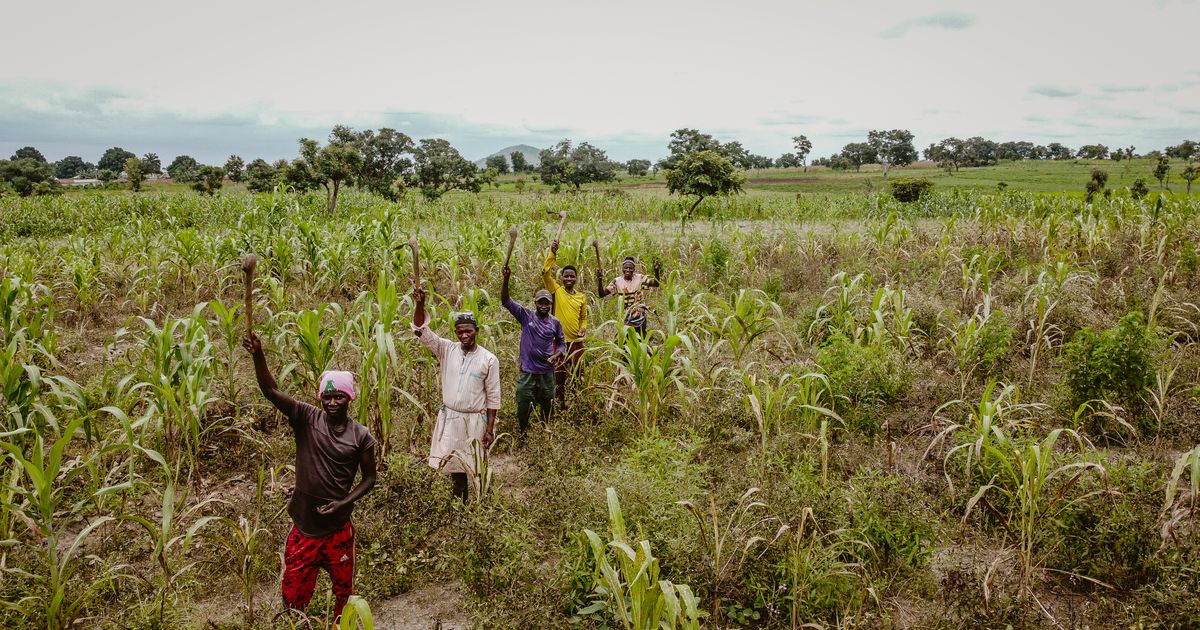
For the smallholder farmer, the season is dictated by the rainy period and harvest dates. During the planting season, farmers must allocate what little liquidity they have toward inputs like seeds and fertilizer. Effective budgeting allows them to hold staple crops rather than selling at low prices, ensuring they can survive the 'lean season' before the next harvest is ready to be processed or sold.
How to Feed a Family on 1,500 MZN/Month
- Grow your own staple food: Prioritize maize, cassava, and beans to avoid market costs.
- Buy in bulk at harvest: Purchase maize at 15 MZN/kg in April rather than 45 MZN/kg in November.
- Store in PICS bags: Preserve your harvest to prevent spoilage for up to 12 months.
- Supplement with vegetables: Cultivate garden plots for nutrient-dense food.
- Buy oil, salt, sugar in small quantities: Avoid non-essential expenses like soda, biscuits, or alcohol.
$25 plants a farmer's season in Zambézia.
Paid straight to the local seed shop. You get the receipt, a field photo and a harvest update.
A gift, not an investment. Not tax-deductible.
Free Ways to Reduce Expenses
- Solar lighting: Eliminates kerosene costs (300 MZN/month savings).
- Cooking with improved stoves: Reduces firewood consumption and collection time.
- Rainwater harvesting: Reduces water collection labor.
- Shared transport: Walk to market with neighbors or share chapas.
- Bulk buying with xitique group: Group purchases leverage collective bargaining for wholesale pricing.
The Phone as a Financial Tool
Basic mobile technology continues to transform rural survival economics:
- M-Pesa: Receiving funds from diaspora relatives.
- SMS price alerts: Timing the market for optimal sales.
- USSD: Banking and bill payments that avoid transport costs.
- Communication: Negotiating prices with buyers before moving goods.
Frequently asked questions
Q: Why is buying in bulk at harvest better than waiting? A: Prices fluctuate; maize can be 3x more expensive in November than in April. Q: What is the primary purpose of PICS bags? A: They store and preserve harvests for up to 12 months to prevent food insecurity. Q: How does a xitique group help? A: It allows neighbors to pool resources to achieve wholesale pricing on essential goods.
Escaping the $2/Day Trap
Escaping poverty requires increasing income through better crop yields, adding value via processing, or diversifying into off-farm income like beekeeping or poultry. You can read more about long-term rural development and economic projections to understand the broader context.
Versão Portuguesa
Orçamento Doméstico com $2/Dia: Sobrevivência Financeira em Moçambique Rural
A maioria das famílias rurais moçambicanas vive com $1-3 por dia, focando-se estritamente na sobrevivência.
A Realidade de $2/Dia
Família de 6 pessoas:
- Rendimento diário: $2 (120 MZN)
- Rendimento mensal: $60 (3.600 MZN)
- Rendimento anual: $720 (43.200 MZN)
Orçamento de Sobrevivência Mensal
| Categoria | MZN | % |
|---|---|---|
| Comida | 1.500 | 42% |
| Escola | 600 | 17% |
| Saúde | 400 | 11% |
| Transporte | 300 | 8% |
| Eletricidade/telefone | 200 | 6% |
| Roupa | 200 | 6% |
| Poupança/emergência | 200 | 6% |
| Obrigações sociais | 200 | 6% |
| Total | 3.600 | 100% |
A Regra de Ouro: Poupar Antes de Gastar
Poupar 200 MZN/mês constrói resiliência para emergências e sementes para a próxima temporada.
Como Alimentar uma Família com 1.500 MZN/Mês
- Cultive o seu próprio alimento básico.
- Compre a granel na colheita.
- Armazene em sacos PICS para conservação.
- Compre itens de consumo em pequenas quantidades.
- Evite gastos supérfluos.
Escapar da Armadilha de $2/Dia
Para escapar da pobreza, é necessário aumentar a produtividade agrícola e diversificar fontes de rendimento, como guias para agricultores e melhorias na gestão de fluxo de caixa.
Maputo Bridge Capital, founded by Anselmo Boaventura, connects sponsors with verified smallholder farmers like those in the COJAZ cooperative. You can sponsor a farmer from $25 to provide funds directly to their local seed and fertilizer shop. Please note that sponsorships are gifts, not investments.

