
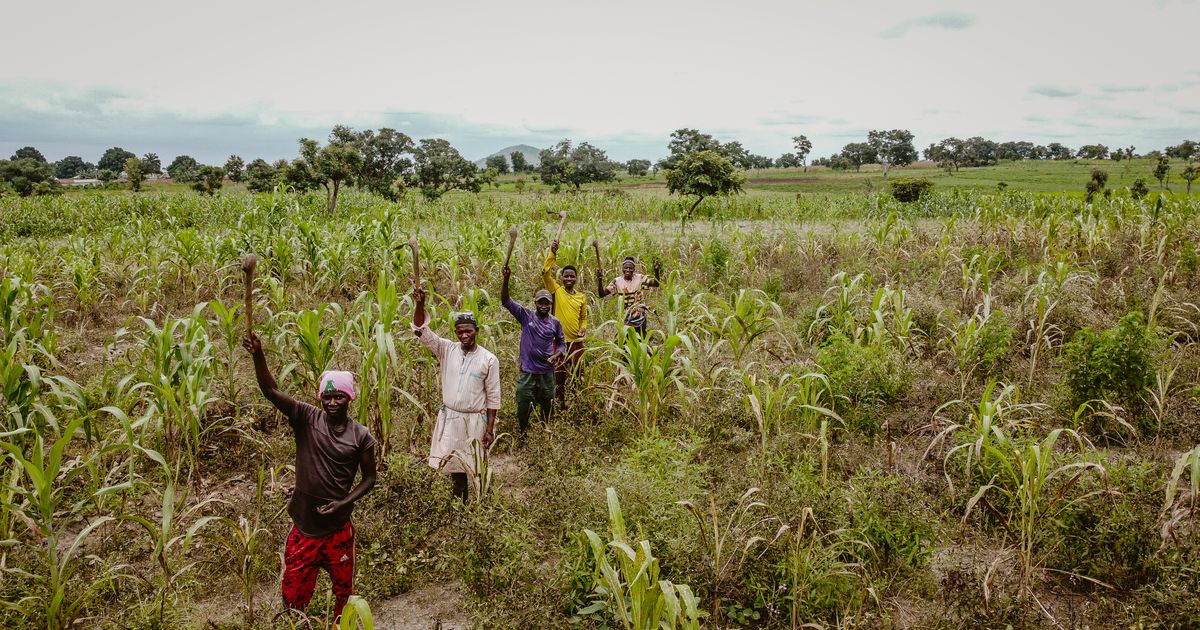
For smallholder families in Mozambique, the path to a more secure livelihood often begins with reliable access to quality agricultural inputs like seeds and fertilizer. By working with local cooperatives such as COJAZ in the Zambezia province, farmers are able to increase their production and improve their resilience to seasonal challenges.
Understanding the Smallholder Farming Cycle
Smallholder farmers in regions like Zambezia are the backbone of the local food system. Many families work small plots of land, relying on traditional techniques and weather patterns to sustain their households. However, access to high-quality seeds and modern, sustainable fertilizer practices can significantly change the output of a single season. When a family can secure these essential supplies at the start of the planting cycle, they are better positioned to achieve a more abundant harvest.
At Maputo Bridge Capital, we focus on facilitating this connection. Founded by Anselmo Boaventura in Fort Worth, Texas, our model links generous sponsors directly with verified smallholder farmers. When you choose to support a farmer, your gift ensures they have the resources needed to purchase supplies from their local village shop. This direct support bypasses complex middle-market hurdles, ensuring that the necessary tools for growth reach the people who need them most. You can read more about meeting our farmers to see the real faces behind these agricultural efforts.
The Nature of Wealth
How Asia climbed from poverty to wealth in one lifetime, what more than fifty thinkers teach, and a four-stage plan for Mozambique through agriculture and markets.
PDF ebook, instant download. $5 of every copy buys seed for a farmer.
The Role of Community Cooperatives
Cooperative groups like COJAZ in Zambezia are vital for organizing resources and sharing knowledge among neighboring farmers. These groups provide a network where techniques for soil health and crop rotation can be discussed and implemented. By aggregating their harvest or sharing the cost of transport, these cooperatives empower smallholders to advocate for better prices and more sustainable futures. Learning how to help farmers in Mozambique through these established networks is a practical way to ensure your contributions make a lasting impact on local infrastructure.
Sustainable Growth and Reinvestment
Sustainable agriculture in Mozambique is about more than just a single season; it is about building a cycle of self-sufficiency. Once a harvest is completed, farmers work to repay a portion into a Community Fund. This fund is then used to support the next set of farmers in the following season. This revolving model, detailed further in our guide on increasing crop yields, ensures that the spirit of support continues year after year, allowing more families to gain the stability they need to thrive.
Frequently asked questions
How does the sponsorship process work? A sponsor provides a gift of $25 or more. These funds are used to purchase seeds and fertilizer from a local shop in the farmer's community. The sponsor receives a receipt and photos of the field to document the contribution.
Where do the funds actually go? Approximately 92% of every sponsorship goes directly to the local seed and fertilizer shop for the farmer's inputs. The remaining 8% is used to cover field verification and the documentation of receipts to ensure full transparency.
Is my sponsorship considered an investment? No, sponsorships are considered gifts. They are intended to support farmers in their agricultural endeavors and are not tax-deductible, nor do they represent an investment in the agricultural yield or any business equity.
If you would like to help a family build their future, you can sponsor a farmer starting from $25. These sponsorships are gifts, not investments, and help ensure that smallholder farmers have the essential resources they need for a successful harvest.

