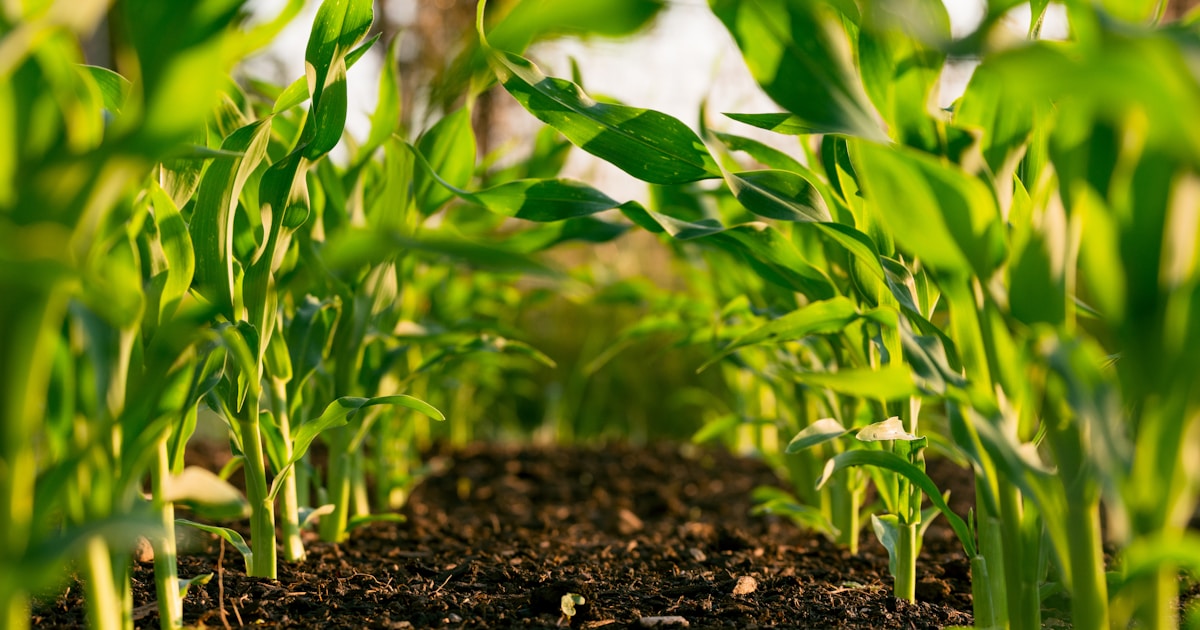
For many smallholder families in Mozambique, the path to a better harvest begins with consistent access to quality agricultural inputs. By securing reliable seeds and fertilizer at the start of the season, farmers can significantly improve their crop yields and provide more stability for their families.
The Challenges of Smallholder Farming
Smallholder farmers often face significant hurdles when preparing for the planting season. Accessing high-quality seeds and the right fertilizers is frequently hindered by limited capital. In many rural areas, these essential supplies are available at local shops, but purchasing them in bulk or at the right time is difficult. Without these resources, farmers may struggle to move beyond subsistence levels, making it hard to increase annual income or ensure food security throughout the year.
Supporting Local Agricultural Success
Maputo Bridge Capital, founded by Anselmo Boaventura in Fort Worth, Texas, provides a simple way to connect sponsors with verified smallholder farmers in Mozambique. Through this initiative, a sponsor can give from $25 to support a farmer. The funds are sent directly to the farmer’s local seed and fertilizer shop in communities like those working with the COJAZ cooperative in Zambezia. This ensures that the farmer receives the physical supplies they need exactly when they are needed for the growing season.
Transparency is a core part of this process. Sponsors receive the receipt from the local shop and field photos, allowing them to see the real impact of their gift. After the harvest, farmers repay the value into a Community Fund, which is then used to sponsor the next farmer in the region, creating a cycle of support within the community.
Frequently asked questions
How can I help a farmer in Mozambique? You can support a family by providing funds that are used locally for essential agricultural supplies like seeds and fertilizer.
Where does the money go? 92% of your gift goes directly to the farmer's local seed and fertilizer shop, while 8% covers the costs of field verification and documentation.
Is my support an investment? No, your support is a gift, not an investment, and is not tax-deductible.
To learn more about how you can help, read about how sponsoring a farmer works or meet the farmers who are working hard to improve their harvests. You can also explore ways to help farmers in Mozambique to see the different ways you can make a difference.
If you would like to help a family this season, please visit /sponsor-a-farmer-mozambique to contribute from $25. Please remember that these sponsorships are gifts to support smallholders and are not investments.