
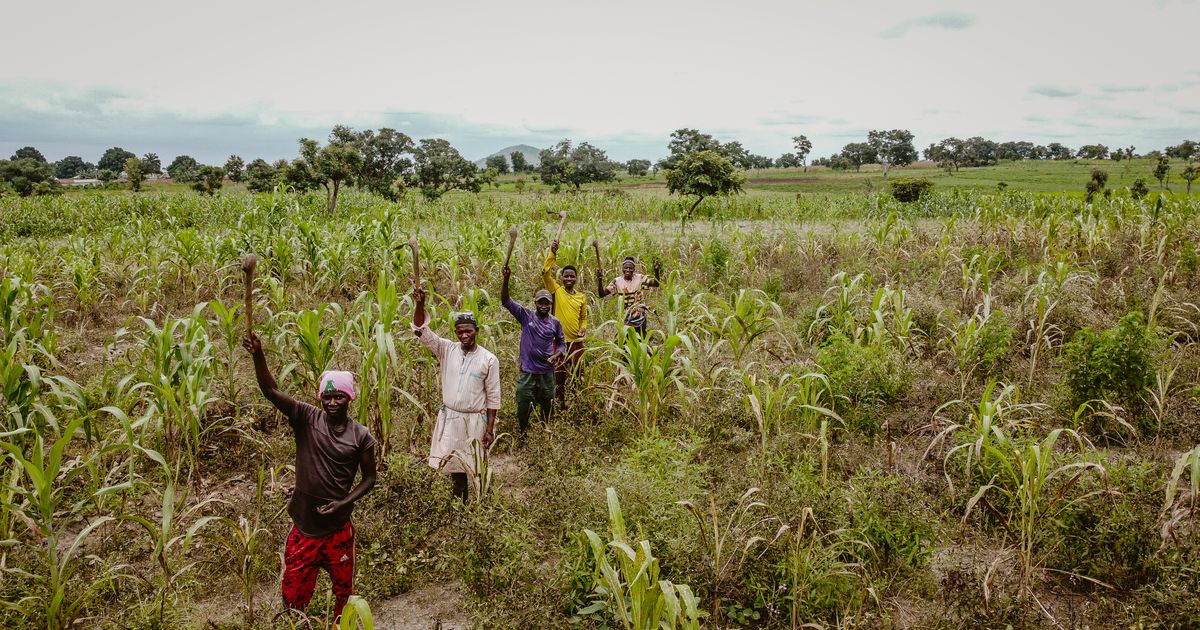
Smallholder farming in Mozambique is a labor-intensive but essential practice that sustains millions of families, primarily relying on the seasonal rains between October and March. By ensuring farmers have timely access to high-quality seeds and fertilizers, we can help them navigate the challenges of the planting season and work toward more stable yields.
Understanding the Smallholder Season in Zambezia
For a farmer working with the COJAZ cooperative in Zambezia, the agricultural calendar is dictated by nature. The cycle begins with land preparation followed by the planting of staples such as maize, rice, and cassava when the rains arrive.
Successfully managing these crops requires more than just hard work; it requires access to inputs like fertilizer and quality seed stock. When a farmer secures these inputs early in the season, they are better positioned to weather environmental variables. Maputo Bridge Capital, founded by Anselmo Boaventura in Fort Worth, Texas, facilitates this by connecting sponsors with verified farmers. When a sponsor contributes from $25, the funds are directed to the farmer’s local seed and fertilizer shop, ensuring the resources reach those who need them most to cultivate their land.
The Nature of a Seed
A picture guide to choosing, testing, saving and planting seed in Mozambique, with lessons from Asia. Read the cloth test and the salt jar test free.
PDF ebook, instant download. $5 of every copy buys seed for a farmer.
Managing Risks in Mozambican Agriculture
Farming in any region involves inherent risks, and Mozambique is no exception. Drought, localized flooding, and pest outbreaks can threaten a season's output. To mitigate these, farmers often use drought-tolerant crop varieties and practice integrated pest management.
Transparency is a key component of this model. After the harvest, farmers repay the cost of their inputs into a Community Fund. This fund is then used to sponsor the next farmer, creating a cycle of mutual support. Sponsors receive receipts from the local shops and photos from the field to see the impact of their gift. This documentation process ensures that the support provided is directly linked to agricultural activity on the ground. You can meet the farmers who are working hard to improve their yields and learn more about how our sponsorship program facilitates this direct connection.
Frequently asked questions
What are the primary climate risks for crops in Mozambique? Drought and flooding are the most common challenges, often mitigated by using drought-tolerant crop varieties and diversifying planting across different provinces.
Why are short-cycle crops like vegetables important? They provide a faster turnover for farmers, allowing for harvest and potential income generation within 3-4 months compared to long-term tree crops like cashew.
How does mobile money impact rural agriculture? Mobile money platforms provide a secure way to track transactions and manage payments in areas where traditional banking infrastructure may be limited.
For more insights into the challenges and opportunities facing the region, read our blog or discover how to help farmers in Mozambique through direct support.
Ready to make a difference? You can sponsor a farmer from $25 here. Please remember that sponsorships are gifts to support smallholder farmers and are not investments.

