
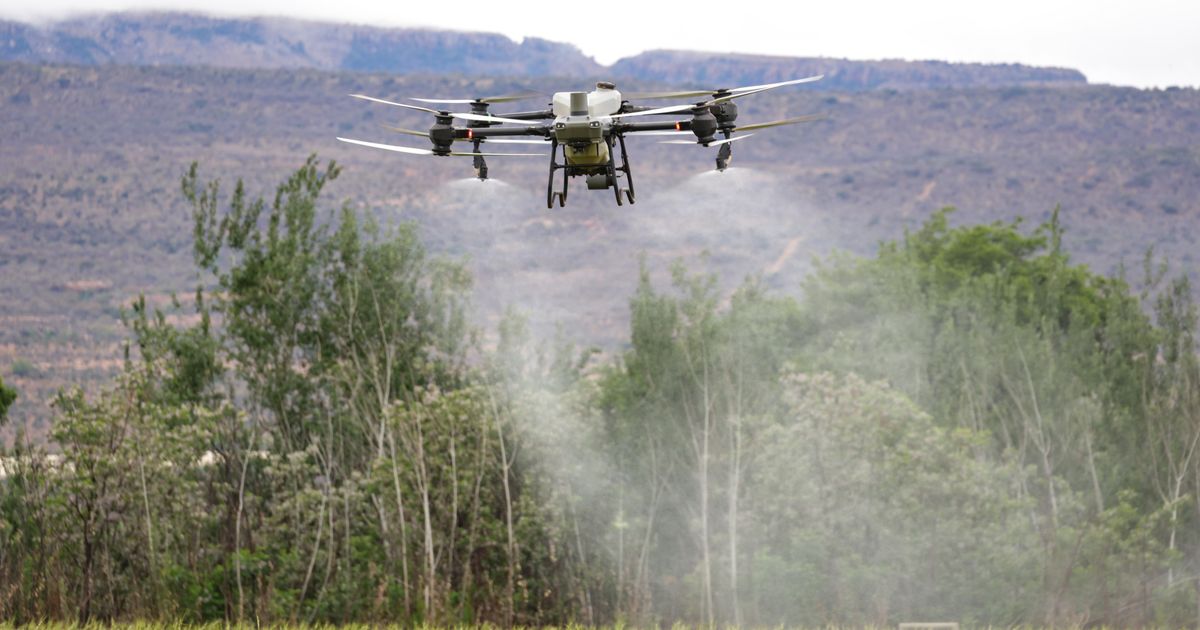
The MBC Agricultural Lab AI is a pioneering platform that integrates four distinct data layers—soil, weather, NDVI satellite imagery, and crop genetics—to provide predictive insights for agriculture. By running complex models including soil health, yield prediction, disease risk, and variety recommendation for all ten Mozambican provinces, it serves as a sophisticated research tool rather than a consumer product. While MBC, founded by Anselmo Boaventura in Fort Worth, connects sponsors with verified smallholder farmers like those in the COJAZ cooperative, this AI technology represents a future-facing research direction for agricultural development.
The Technical Framework
No other agri-fintech in Africa currently utilizes an Agricultural Lab AI of this scope. While companies like Apollo Agriculture focus on credit scoring, ThriveAgric on input financing, and UfarmX on marketplaces, the MBC Agricultural Lab AI is designed to process data at a structural level. It integrates four data layers and runs four predictive models, demonstrating a potential for large-scale agricultural precision. It currently processes data in 0.016 seconds at a computational cost of $0.79, with delivery via M-Pesa SMS. This research is part of a broader vision similar to the USDA’s Genesis, Cornell’s Living Labs, and Berkeley’s EcoFABs, adapted for the unique environment of Mozambique. For more on these research paths, visit the MBC Agricultural Lab AI prototype.
Impact on the Farmer's Season
For a smallholder farmer in Zambezia, these predictive insights represent a shift toward data-informed decision-making. By leveraging research into soil health and disease risk, farmers can better understand the specific needs of their land throughout the growing season, potentially optimizing their use of seeds and fertilizer provided through the COJAZ cooperative.
Frequently asked questions
What data layers does the AI use? The AI integrates four specific layers: soil composition, weather patterns, NDVI satellite imagery, and crop genetics.
How fast is the predictive modeling? The system is capable of running its complex models in 0.016 seconds.
Where can the results be delivered? The system is designed to deliver insights directly to farmers via M-Pesa SMS messaging.
MBC connects sponsors with verified smallholder farmers in Mozambique. A sponsor gives from $25, which goes directly to the farmer's local seed and fertilizer shop; the sponsor then receives the receipt and field photos. Please note that sponsorships are gifts, not investments, and are not tax-deductible. You can sponsor a farmer from $25 today.