
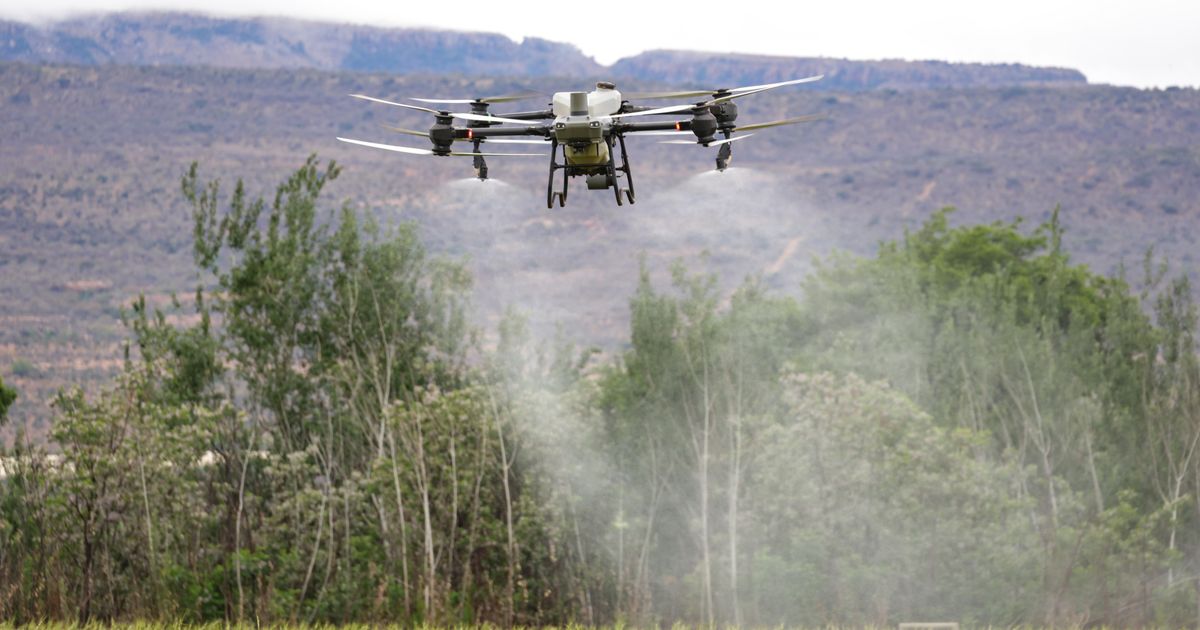
The MBC Carbon Credit Platform explores how smallholder farmers can potentially leverage sustainable agricultural practices to generate income through carbon markets. By utilizing satellite verification and mobile payment systems like M-Pesa, the platform aims to provide a bridge between local environmental stewardship and international climate finance, reflecting a vision of what could be built to support rural livelihoods in Mozambique.
What Are Carbon Credits?
Carbon credits represent 1 ton of CO₂ removed or prevented from entering the atmosphere. International companies buy these credits to offset their emissions.
Price per credit: $5-$15 (voluntary market), $10-$30 (compliance market)
How Mozambican Farmers Generate Carbon Credits
1. Agroforestry (Cashew, Mango Trees)
- Each mature cashew tree sequesters ~22kg CO₂/year
- 50 trees = 1,100kg = 1.1 credits × $10 = $11/year
- 500 trees (1 hectare agroforestry) = 11,000kg = 11 credits × $10 = $110/year
2. Conservation Agriculture (No-Till, Cover Crops)
- No-till farming sequesters 0.5-2 tons CO₂/hectare/year
- Cover crops add 0.3-1 ton CO₂/hectare/year
- 1 hectare conservation = 1-3 credits × $10 = $10-30/year
3. PICS Bags (Indirect)
- PICS bags prevent post-harvest loss (30% → 5%)
- Less loss = less need to clear new forest for farmland
- Avoided deforestation = carbon credits (REDD+ mechanism)
- Estimated: 0.5-1 credit per farmer per year
4. Beekeeping
- Bees require healthy forests (farmers protect trees)
- 10 hives = 1 hectare of protected forest = 5-10 credits/year
- $50-100/year in carbon credits ON TOP of honey revenue
The MBC Carbon Credit Concept
How It Could Work
- Farmer enrollment: Digital identification and registration.
- Satellite verification: NDVI confirms trees are planted and growing.
- Credit calculation: Based on tree count, area, and practice.
- Market listing: Credits listed on international voluntary carbon market.
- Buyer purchase: International entities purchase offsets.
- M-Pesa payment: Distribution to the farmer within 30 days of sale.
Verification Technology
| Method | Technology | Frequency |
|---|---|---|
| Tree count | Satellite imagery + field agent | Annual |
| Tree health | NDVI (Sentinel-2) | Every 5 days |
| Forest protection | Satellite deforestation monitoring | Monthly |
| Soil carbon | Soil sampling (cooperative level) | Biennial |
| Practice verification | Field agent + M-Pesa transaction records | Seasonal |
The Nature of Wealth
How Asia climbed from poverty to wealth in one lifetime, what more than fifty thinkers teach, and a four-stage plan for Mozambique through agriculture and markets.
PDF ebook, instant download. $5 of every copy buys seed for a farmer.
Revenue Potential for Farmers
| Practice | Area | Credits/Year | Revenue/Year |
|---|---|---|---|
| 50 cashew trees | 0.5 ha | 1.1 | $11 |
| 500 cashew trees | 1 ha | 11 | $110 |
| 10 beehives | 1 ha forest | 5-10 | $50-100 |
| Conservation ag | 1 ha | 1-3 | $10-30 |
| PICS bags (10) | — | 0.5-1 | $5-10 |
| Combined farm | 1 ha | 15-25 | $150-250 |
$150-250/year in carbon credits could represent a 32-53% income increase for a farmer earning $470/year.
What This Means for the Growing Season
For a smallholder farmer, these practices signify a shift toward long-term land health. By adopting agroforestry and conservation techniques during the planting season, farmers not only secure their annual harvests but also participate in a system that acknowledges the environmental value of their daily labor through potential future carbon revenue.
Frequently asked questions
What are voluntary carbon markets? These are markets where businesses and individuals purchase carbon credits to offset their emissions without being legally mandated to do so.
What is NDVI? Normalized Difference Vegetation Index is a simple graphical indicator that can be used to analyze remote sensing measurements to assess whether the target being observed contains live green vegetation.
How does avoided deforestation work? It preserves existing carbon sinks, such as forests, preventing the release of stored CO₂ that would occur if the land were cleared for agriculture.
Who Buys the Credits?
- International corporations offsetting emissions (Microsoft, Google, airlines)
- European companies under EU ETS compliance
- US companies with voluntary net-zero commitments
- International NGOs supporting African climate finance
Versão Portuguesa
Plataforma de Créditos de Carbono MBC: Transformar Agricultura Sustentável em Dinheiro via M-Pesa
Um agricultor planta 50 cajueiros. Cada árvore absorve 22kg de CO₂ por ano. São 1.100kg de créditos de carbono anualmente — no valor de $11-$33 em mercados internacionais. Pago via M-Pesa.
Potencial de Rendimento
| Prática | Créditos/Ano | Rendimento/Ano |
|---|---|---|
| 50 cajueiros | 1,1 | $11 |
| 500 cajueiros (1ha) | 11 | $110 |
| 10 colmeias | 5-10 | $50-100 |
| Agricultura de conservação | 1-3 | $10-30 |
| Fazenda combinada (1ha) | 15-25 | $150-250 |
$150-250/ano em créditos de carbono é um aumento de rendimento de 32-53% para um agricultor que ganha $470/ano.
Maputo Bridge Capital, founded by Anselmo Boaventura in Fort Worth, Texas, connects sponsors with verified smallholder farmers like those in the COJAZ cooperative in Zambezia. You can help by sponsoring a farmer with a gift from $25, which goes directly to their local seed and fertilizer shop; note that sponsorships are gifts, not investments. To participate, visit /sponsor-a-farmer-mozambique.