
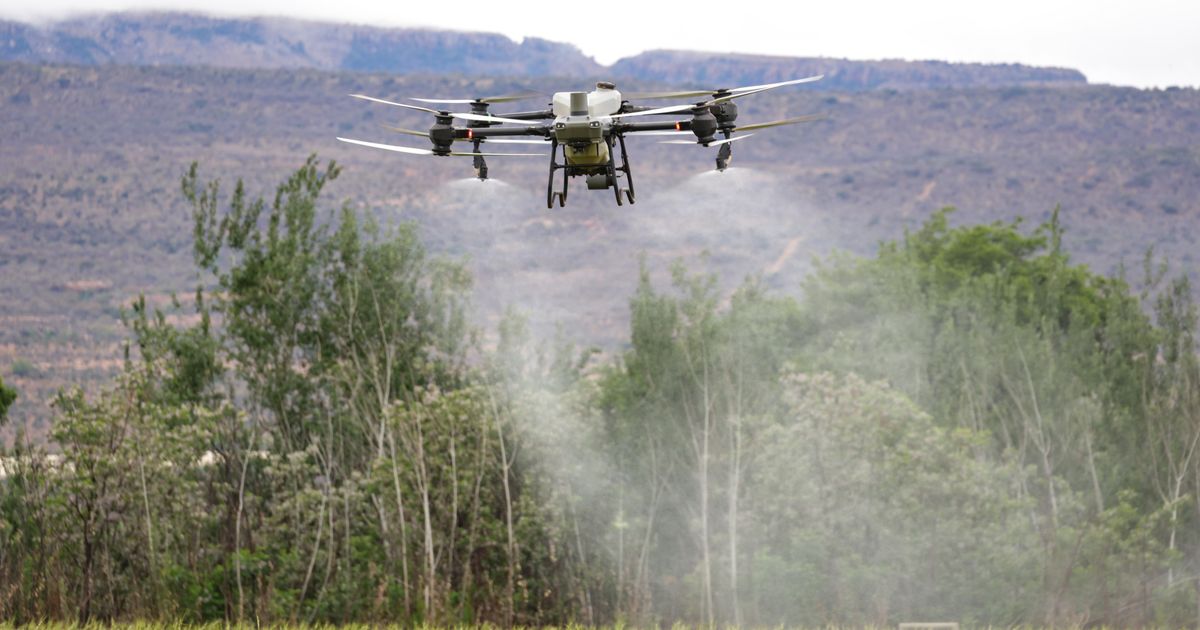
Mozambique agricultural extension services currently face a significant gap, with only one extension agent available for every 2,500 farmers, leaving the vast majority without essential technical support. By leveraging hybrid models that combine digital tools with the established lead farmer approach, the agricultural sector can bridge this distance and provide the training necessary to boost food security and rural incomes.
The Extension Gap
Current State
| Metric | Mozambique | Recommended | Gap |
|---|---|---|---|
| Extension agents | 1,200 | 6,000+ | 5x shortage |
| Farmers per agent | 2,500 | 400-500 | 5x overload |
| Farmers receiving extension | 15-20% | 100% | 80% unreached |
| Extension visits per farmer/year | 0-1 | 4-6 | 4-5x gap |
| Extension budget (% of ag budget) | 5% | 15% | 3x gap |
Why Extension Matters
Research shows that each extension visit increases farmer yields by 5-15%. Four visits per year could increase yields by 20-60% — the difference between poverty and profitability.
Traditional vs Digital Extension
Traditional (In-Person) Extension
Process: Agent travels to village, demonstrates technique, farmers practice
- Advantage: Hands-on, trust-building, visual learning
- Disadvantage: Expensive ($50-100 per visit), slow, limited reach
- Cost per farmer reached: $10-20/year
Digital Extension
Process: SMS, voice messages, radio, WhatsApp, mobile apps
- Advantage: Scale (reach millions at once), cheap ($0.05-0.50/farmer/year)
- Disadvantage: No hands-on, literacy barrier, technology gap
- Cost per farmer reached: $0.50-2/year
Hybrid Model (Best of Both)
- Mass communication: Radio + SMS reaches all farmers with basic information
- Lead farmer model: Train 1 lead farmer per village who trains 20 neighbors
- Agent visits: Focus on high-value interventions (demonstrations, complex topics)
- Video: Short instructional videos shown on phones at farmer meetings
The Nature of a Seed
A picture guide to choosing, testing, saving and planting seed in Mozambique, with lessons from Asia. Read the cloth test and the salt jar test free.
PDF ebook, instant download. $5 of every copy buys seed for a farmer.
Effective Extension Content
Priority Topics (Ranked by Impact)
- Certified seed use: +200-300% yield
- Post-harvest storage: PICS bags reduce losses from 40% to 5%
- Planting timing: Right date increases yield 15-30%
- Fertilizer application: NPK at right rate/time increases yield 100-200%
- Crop rotation: Legumes after cereals improves soil + next crop yield
- Pest identification: Early detection saves 20-40% of crop
- Drought-resistant varieties: Maintain yield in bad years
- Market timing: Price alerts help farmers sell at 50-130% higher prices
- Water management: Conservation agriculture, mulching, rainwater harvesting
- Record keeping: Track income/expenses to make informed decisions
The Impact of Extension on the Season
For a smallholder farmer in Mozambique, access to extension services defines the entire season. By receiving timely advice on planting dates and fertilizer application, a farmer minimizes the risk of crop failure, while knowledge of post-harvest storage ensures that the resulting surplus is not lost to pests, directly increasing household food security.
The Lead Farmer Model
How It Works
- Select 1 motivated farmer per village (1 per 20-30 farming households)
- Train lead farmer intensively (5-day residential training, 4x/year)
- Lead farmer demonstrates techniques on own plot
- Neighbors learn by seeing results
- Lead farmer provides ongoing support
Economics
- Training 1 lead farmer: $200/year (training, materials, transport, stipend)
- Each lead farmer reaches 20-30 farmers
- Cost per farmer: $7-10/year
- Scale: 15,000 lead farmers × $200 = $3M/year → reaches 300,000-450,000 farmers
Frequently asked questions
Q: What is the primary barrier to traditional extension in rural areas?
A: High costs associated with travel and personnel, often exceeding $50 per visit, make reaching widespread rural populations prohibitively expensive.
Q: How does the lead farmer model scale effectively?
A: By focusing resources on training a single influential farmer who then mentors 20-30 neighbors, the model creates a multiplier effect that significantly lowers the cost per farmer reached.
Q: Why is certified seed use considered a high-impact intervention?
A: Certified seeds are bred for higher performance and resilience, often resulting in yield improvements of 200-300% compared to traditional seeds.
Supporting Farmers in Mozambique
Maputo Bridge Capital, founded by Anselmo Boaventura, connects sponsors with verified smallholder farmers like those in the COJAZ cooperative in Zambezia. You can support a farmer with a gift from $25, which goes directly to their local seed and fertilizer shop, while the farmer repays into a Community Fund to support others after harvest. To help a farmer prepare for the upcoming season, please sponsor a farmer here. Note that sponsorships are gifts, not investments.