
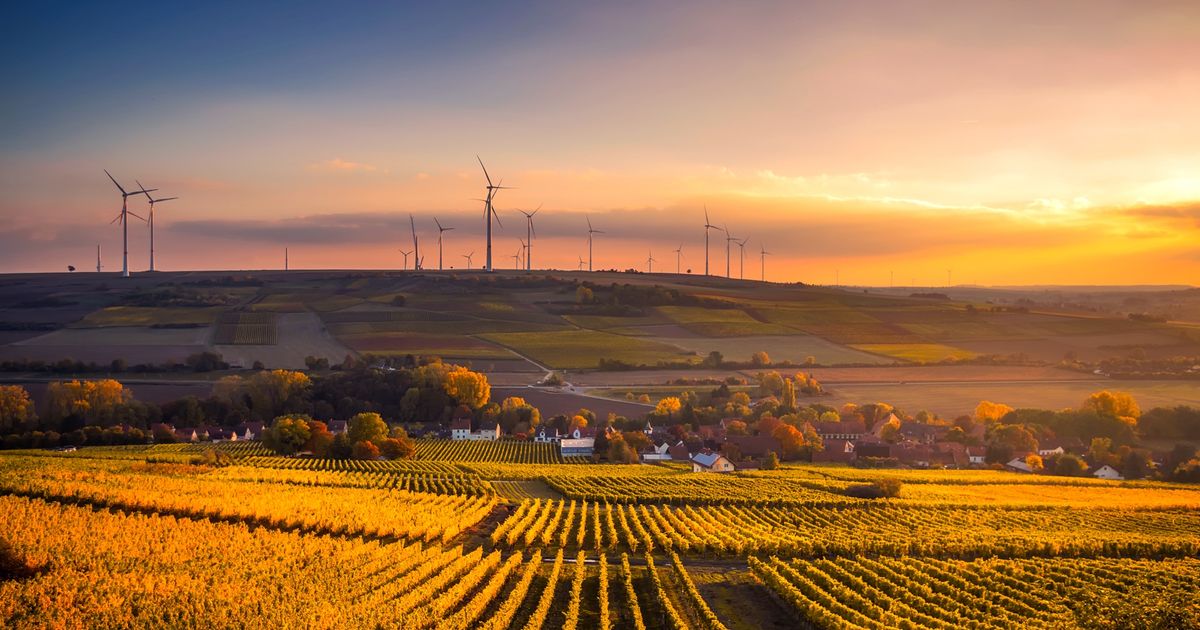
Mozambique Agroforestry: Trees + Crops = Double Income. Agroforestry, the practice of integrating trees with crops on the same land, is Mozambique's most underutilized farming system. By combining tree products with crop production, this method doubles farmer income, improves soil fertility through nitrogen fixation, provides essential shade, sequesters carbon, and reduces climate risk for families working with partners like the COJAZ cooperative in Zambezia.
What Is Agroforestry
Systems by Type
| System | Description | Tree Species | Crop | Income/ha/year |
|---|---|---|---|---|
| Parkland | Scattered trees in crop field | Faidherbia, baobab | Maize, sorghum | $800 |
| Boundary planting | Trees on field edges | Eucalyptus, gliricidia | Any crop | $700 |
| Intercropping | Trees + crops together | Mango, cashew | Groundnut, beans | $1,400 |
| Hedgerow intercropping | Rows of trees between crops | Leucaena, gliricidia | Maize, vegetables | $700 |
| Home garden | Mixed trees + crops near home | Mango, papaya, moringa | Vegetables | $2,250 |
The Smallholder Farmer's Season
For a smallholder farmer in Zambezia, agroforestry transforms the agricultural calendar. By incorporating species like Faidherbia, the farmer gains access to free nitrogen fertilizer as the trees drop leaves during the wet season, immediately boosting maize yields. During the dry season, the presence of these trees provides high-protein fodder for livestock and additional harvests of fruits or wood, ensuring income continuity between primary crop cycles.
The Nature of Mozambican Agricultural Land
Land rights (DUAT), community mapping, soil, water, erosion and regeneration. Read the DUAT chapter and five soil tests free.
PDF ebook, instant download. $5 of every copy buys seed for a farmer.
Key Agroforestry Species for Mozambique
1. Faidherbia albida (Winter Thorn)
- Unique trait: Loses leaves in WET season (doesn't shade crops), grows leaves in DRY season (provides fodder).
- Nitrogen fixation: Adds 100-200 kg N/ha/year — free fertilizer.
- Pods: High-protein livestock feed (12-15% protein).
- Impact: Maize yield under Faidherbia: +50-100% vs open field.
- Planting: 40-100 trees/hectare (natural spacing).
2. Gliricidia sepium
- Nitrogen fixation: 50-100 kg N/ha/year.
- Coppicing: Cut branches 3-4x/year for green manure or fodder.
- Biopesticide: Leaves repel some pests.
- Living fence: Plant as hedge — animals can't eat through it.
- Growth: Fast (2-3m in 2 years).
3. Mango (Mangifera indica)
- Income: $200-1,000/tree/year (fruit at $0.15-0.30/kg × 100-200 kg/tree).
- Shade: Reduces temperature 3-5°C under canopy.
- Windbreak: Protects crops from storm damage.
- Soil: Leaf drop adds organic matter.
- Best intercrop: Groundnut, cowpea (shade tolerant + nitrogen fixing).
4. Cashew (Anacardium occidentale)
- Income: $50-100/tree/year (nuts + apple).
- Intercrop: Groundnut, cassava, sorghum.
- Lifespan: 30-50 years of production.
- Density: 100-150 trees/hectare with intercrop.
5. Moringa oleifera
- Superfood: Leaves contain 25% protein, 7x vitamin C of oranges, 4x calcium of milk.
- Growth: 3-4m in first year.
- Products: Leaf powder (health food), seed oil (cosmetics), water purification.
- Market: EU/US health food: $10-20/kg dried leaf powder.
- Income potential: $3,000-8,000/hectare/year.
6. Baobab (Adansonia digitata)
- Fruit: $5-15/kg (superfood market — high vitamin C, antioxidants).
- Existing: Millions of baobab trees already in Mozambique — mostly unharvested.
- Market: EU and US baobab fruit powder: $15-30/kg.
- Income: $50-200/tree/year (if harvested and processed).
Frequently asked questions
What is nitrogen fixation? It is a natural process where trees take nitrogen from the air and convert it into nutrients in the soil, acting as a free fertilizer for surrounding crops.
Why do farmers use living fences? Living fences like Gliricidia serve as natural barriers to protect crops from livestock while providing useful foliage for manure and animal feed.
How does tree shade benefit crops? Canopy cover from trees like Mango reduces ground temperatures by 3-5°C, which helps protect crops from heat stress and extreme weather damage.
Technology and Future Research
Beyond current traditional practices, emerging technologies could eventually play a larger role in rural Mozambique. Future research into high-precision soil sensing and AI-driven predictive modeling could help farmers identify the optimal planting density for various tree-crop combinations. While these represent advanced research directions, the immediate priority remains supporting the practical implementation of agroforestry through how sponsoring a farmer works and engaging with organizations like COJAZ.
Maputo Bridge Capital, founded by Anselmo Boaventura in Fort Worth, Texas, enables you to support smallholder farmers in Mozambique directly. By giving from $25, your gift goes to the local seed and fertilizer shop, and you receive field photos and documentation. Please sponsor a farmer here to help improve agricultural outcomes; note that these sponsorships are gifts, not investments.