
Mozambique Beekeeping and Honey Production: The $10M Sweet Opportunity
Mozambique possesses ideal conditions for beekeeping due to its abundant miombo woodland, diverse flowering plants, and a climate that supports year-round production. While the country currently produces only 1,500 tons of honey annually, its potential exceeds 10,000 tons, offering a unique opportunity for rural development.
The Beekeeping Opportunity
Why Beekeeping Works in Mozambique
- Zero land required: Hives are placed in existing forests, requiring no land clearing.
- Zero inputs: Bees forage for their own nectar and water, requiring no seeds, fertilizer, or feed.
- Low labor: Beekeeping typically requires only 2-4 hours per hive per year for inspection and harvesting.
- Year-round income: Honey can be harvested 2-3 times per year.
- Environmental benefit: Bees provide pollination services, which can increase local crop yields by 20-30%.
- Climate resilience: Bees are often more resilient to drought cycles than traditional seasonal crops.
- Women-friendly: Beekeeping is highly accessible, as it does not require strenuous physical labor.
Production Statistics
| Metric | Current | Potential |
|---|---|---|
| Annual honey production | 1,500 tons | 10,000+ tons |
| Number of beekeepers | ~20,000 | 200,000+ |
| Average hives per beekeeper | 5-10 | 20-50 |
| Average yield per hive | 8-15 kg/year | 20-40 kg/year |
| Honey price (farmgate) | $3-5/kg | $5-8/kg (certified organic) |
| Industry value | $5M | $30-80M |
| Beeswax production | 100 tons | 500+ tons |
Hive Types and Economics
1. Traditional Bark Hive
- Cost: $2-5 (materials like bark and grass)
- Yield: 5-10 kg/hive/year
- Lifespan: 2-3 years (bark decomposes)
- Advantage: Free materials and utilization of traditional knowledge.
- Disadvantage: Low yield; often involves destructive harvesting that kills bees.
2. Top Bar Hive (Kenya Top Bar)
- Cost: $20-40 (wood, wire mesh)
- Yield: 15-25 kg/hive/year
- Lifespan: 10-15 years
- Advantage: Allows for non-destructive harvesting and higher yields.
- Disadvantage: Requires basic woodworking skills to construct.
3. Langstroth Hive (Commercial)
- Cost: $80-150 (factory-made)
- Yield: 25-40 kg/hive/year
- Lifespan: 15-20 years
- Advantage: Designed for high-yield, commercial-scale production.
- Disadvantage: Expensive and requires specific extraction equipment and training.
Economics Per Hive Type (10 hives)
| Type | Investment | Annual Yield | Annual Revenue |
|---|---|---|---|
| Bark | $30 | 75 kg | $300 |
| Top Bar | $300 | 200 kg | $800 |
| Langstroth | $1,200 | 350 kg | $1,400 |
The Nature of Mozambican Agricultural Land
Land rights (DUAT), community mapping, soil, water, erosion and regeneration. Read the DUAT chapter and five soil tests free.
PDF ebook, instant download. $5 of every copy buys seed for a farmer.
Smallholder Impact
For a smallholder farmer in Mozambique, the beekeeping season is defined by the flowering periods of the miombo woodland. During these months, farmers monitor hive health and prepare for harvests that provide essential non-seasonal income. Because beekeeping requires no land, it allows families to generate revenue without disrupting their primary food crop production cycle.
Honey Markets
Domestic Market
- Consumption: 0.15 kg per person per year (below the global average of 0.4 kg).
- Price: $5-8/kg retail in Maputo.
- Demand: Growing as health awareness increases.
- Buyers: Supermarkets (Shoprite, Spar), pharmacies, and informal markets.
Export Market
- EU: Certified organic honey from miombo forests qualifies for EU organic premiums.
- Price: $6-10/kg (certified organic, FOB).
- Requirements: EU organic certification, strict traceability, and lab testing.
- Volume potential: 5,000+ tons/year export.
Beeswax Market
- Yield: 1 kg wax per 30 kg honey.
- Price: $5-8/kg.
- Uses: Cosmetics, candles, pharmaceuticals, and polish.
Frequently asked questions
What makes miombo forest honey unique for export? It can be certified as organic due to the pristine, chemical-free nature of the environment, allowing it to fetch premium prices in EU markets.
How does harvesting technique affect bee population survival? Traditional bark hives often involve cutting into the hive and destroying the colony, whereas modern top bar and Langstroth hives allow for extraction while keeping the colony intact.
Why is the domestic honey market in Mozambique expected to grow? Consumption per capita is currently very low compared to the global average, and as health awareness and retail infrastructure develop, local demand is projected to rise.
Future Technology and Scaling
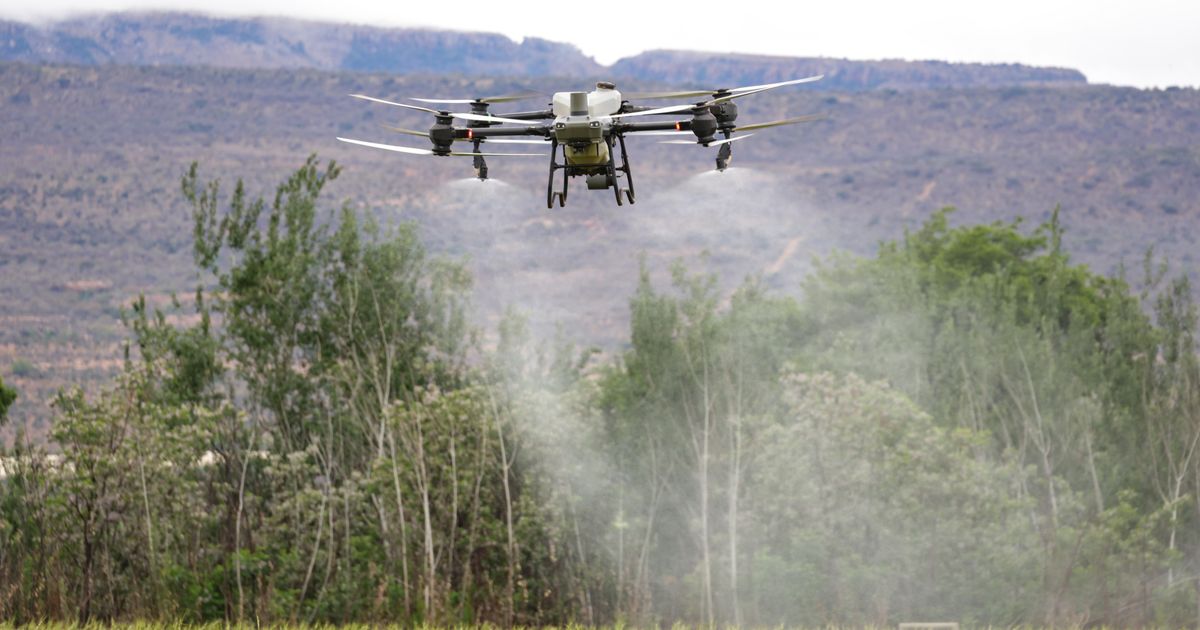
Looking forward, the integration of IoT sensors into apiaries could allow beekeepers to track hive health, temperature, and honey levels remotely via mobile devices. Drones could be utilized to map flowering patterns in dense miombo forests, optimizing hive placement for maximum production. Additionally, blockchain technology could provide the transparency needed for EU organic certification, ensuring consumers receive authentic, high-quality, traceable Mozambican honey.
Maputo Bridge Capital, founded by Anselmo Boaventura in Fort Worth, Texas, connects sponsors with verified smallholder farmers in Mozambique, including those working with the COJAZ cooperative in Zambezia. You can support these farmers by sponsoring from $25; 92% of your contribution goes directly to the farmer's local seed and fertilizer shop, while 8% covers verification and documentation. After harvest, farmers repay into a Community Fund to support others. Please note that sponsorships are gifts, not investments. To participate, visit https://maputobridgecapital.com/sponsor-a-farmer-mozambique.