
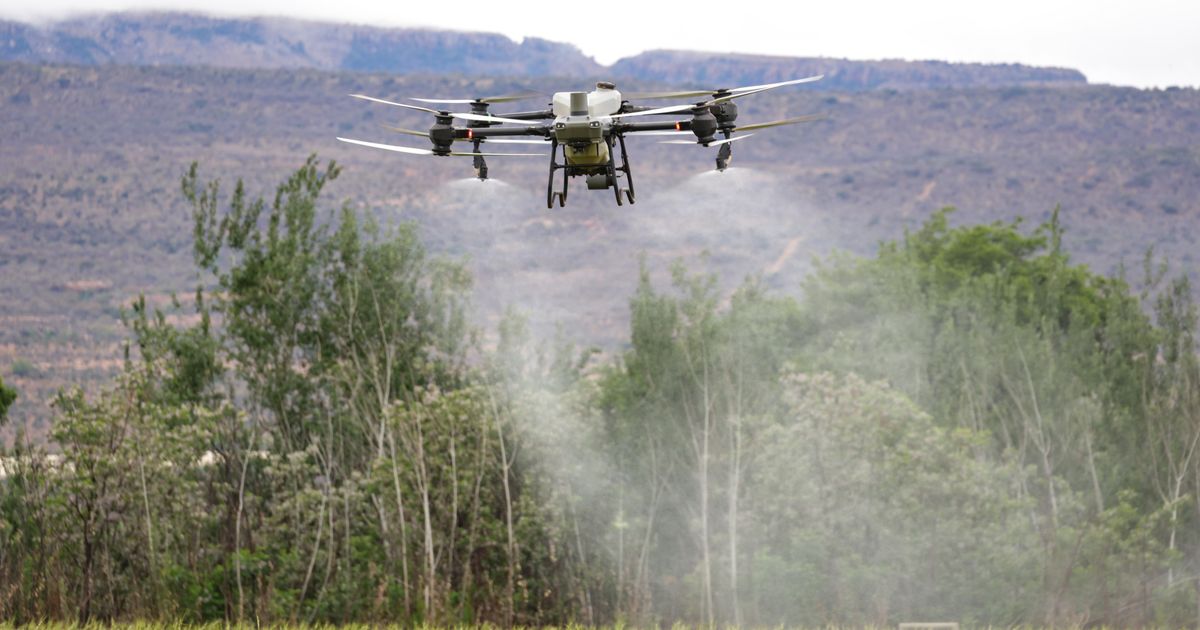
The fall armyworm (Spodoptera frugiperda) is the most destructive maize pest in Mozambique, capable of destroying 50-100% of a crop within weeks. Every smallholder farmer, such as those working with the COJAZ cooperative in Zambezia, must address this invasive threat to secure their annual harvest.
The Fall Armyworm Problem
Impact
| Metric | Value |
|---|---|
| Year arrived in Mozambique | 2017 |
| Maize area affected | 60-80% of maize fields |
| Yield loss (uncontrolled) | 30-100% |
| Yield loss (with control) | 5-15% |
| Annual crop loss value | $20-50 million |
| Generations per season | 4-6 (rapid reproduction) |
Why Fall Armyworm Is So Destructive
- Fast reproduction: 4-6 generations per growing season — populations explode.
- Multiple hosts: Eats maize, sorghum, rice, and grass — cannot be eliminated by simple crop rotation.
- Hides inside whorl: The larva burrows into the maize stem where traditional sprays often cannot reach.
- Nocturnal feeding: It feeds primarily at night, meaning farmers often miss damage until it is severe.
- Pesticide resistance: Populations are increasingly developing resistance to common chemical treatments.
- Arrived recently: There are currently no established natural predators in the African ecosystem.
Identification
Fall Armyworm Life Cycle
- Egg masses: 100-200 eggs laid on leaves, covered in fuzzy scales.
- Larva (caterpillar): The 14-21 day destructive stage. Young larvae are light green, while older ones are brown/green with stripes. Look for four distinct spots on the last body segment.
- Pupa: Buried in the soil for 7-14 days.
- Adult moth: Flies at night, laying eggs on new plants.
Symptoms
- Window-pane damage: Leaves look see-through due to young larvae eating the surface.
- Shot holes: Circular holes punched through leaves by older larvae.
- Whorl damage: The growing point is destroyed, preventing the plant from producing a cob.
- Frass: Sawdust-like droppings found in the whorl are a sign of active feeding.
- Lodging: Stems become weakened and eventually fall over.
The Nature of a Seed
A picture guide to choosing, testing, saving and planting seed in Mozambique, with lessons from Asia. Read the cloth test and the salt jar test free.
PDF ebook, instant download. $5 of every copy buys seed for a farmer.
Control Methods
1. Cultural Control (Free)
- Early planting: Planting in the first 2 weeks of the rains allows crops to establish before pest peaks.
- Intercropping: Mixing maize with cassava or legumes confuses moths through varied plant odors.
- Field sanitation: Destroying crop residues post-harvest kills pupae living in the soil.
- Weed control: Removing grass weeds reduces alternative hosts for the armyworm.
2. Biological Control
- Push-pull strategy: Planting desmodium (to repel the pest) alongside napier grass (to trap it) can achieve 80% control without chemicals.
- Natural enemies: Research explores introducing parasitic wasps (Cotesia) as a long-term solution.
- Bt spray: Bacillus thuringiensis is a biological pesticide safe for human contact.
- Neem extract: Neem oil sprays are effective at repelling larvae.
3. Chemical Control (Last Resort)
| Pesticide | Cost/ha | Effectiveness | Safety |
|---|---|---|---|
| Cypermethrin | $15 | Moderate | Moderate toxicity |
| Emamectin benzoate | $25 | High | Low toxicity |
| Spinosad | $30 | High | Very safe (organic) |
| Chlorantraniliprole | $35 | Very high | Very safe |
Application timing: Spray at the first sign of damage in the evening when larvae are active. Direct the spray into the whorl.
4. Host Plant Resistance
Research looks toward maize varieties with natural tolerance. While genetically modified Bt maize is not currently approved in Mozambique, conventional breeding programs, such as those using Matuba-derived lines, remain a vital area of agricultural research.
Smallholder Impact
For a smallholder farmer, this pest dictates the entire season. Success depends on vigilance and early intervention; missing the window for control can wipe out an entire year's food supply and income. Technologies like advanced monitoring or biological controls represent a vision for the future of Mozambican agriculture, potentially enabling farmers to protect their yields more reliably and sustainably.
Frequently asked questions
Q: What is the most effective time to apply pesticides? A: Sprays should be applied in the evening, as the larvae are nocturnal feeders and are most active at night.
Q: Why is crop rotation insufficient to stop the fall armyworm? A: The pest has a wide range of host plants, including maize, sorghum, rice, and grasses, meaning it can survive even if the primary crop is changed.
Q: What is the 'push-pull' strategy? A: It involves planting specific companion crops like desmodium to repel the pests and napier grass to trap them away from the maize.
Supporting Mozambican Farmers
Maputo Bridge Capital, founded by Anselmo Boaventura in Fort Worth, Texas, connects sponsors with verified smallholder farmers in Mozambique, such as those in the COJAZ cooperative. You can sponsor a farmer from $25, with 92% going directly to their local seed and fertilizer shop to help secure a successful harvest. Please visit /sponsor-a-farmer-mozambique to learn more. Note that sponsorships are gifts to farmers, not investments, and are not tax-deductible.