
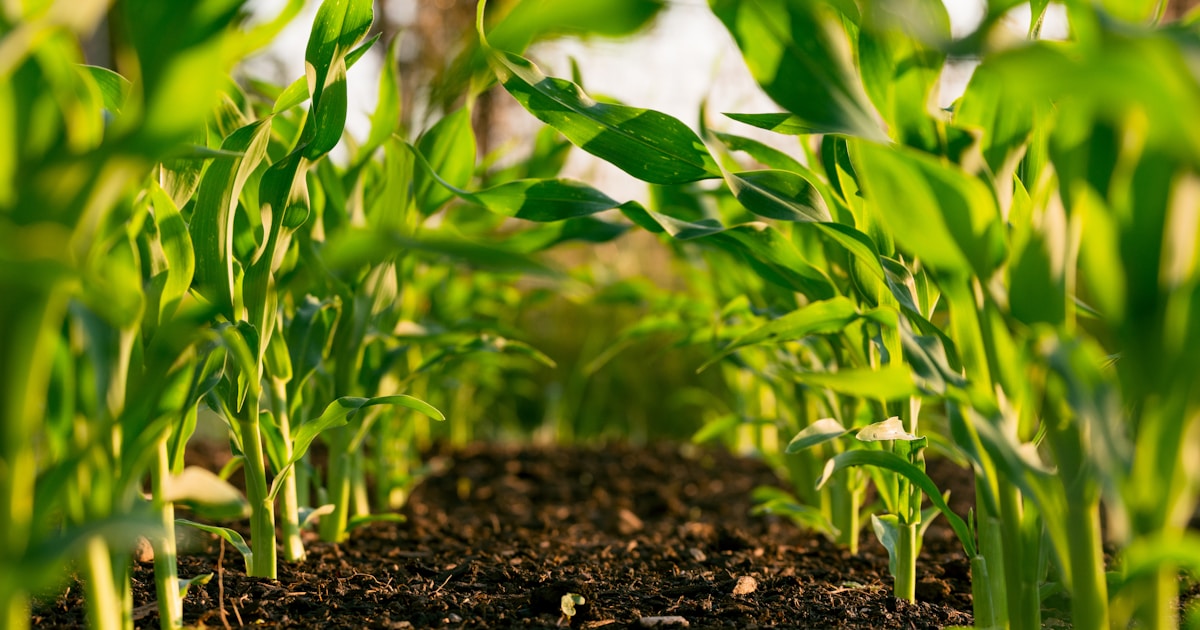
Rice, Wheat, and Maize production in Mozambique offers significant potential for addressing Asian grain demand through the modernization of smallholder farming. By utilizing its vast arable land and strategic maritime corridors, Mozambique can transition from subsistence farming to surplus production through advanced agritech and digital infrastructure.
The Strategic Alignment: Why Asian Markets Need Mozambican Grains
As Asian nations face shrinking arable land and rising populations, food security has become a matter of national defense. China, the world’s largest consumer of maize and rice, is actively diversifying its supply chains. This shift creates a massive opening for Mozambique agriculture to step into the role of a reliable supplier.
According to the FAO, Mozambique’s agricultural sector accounts for roughly 23% of its GDP and employs over 75% of the workforce. However, the sector remains largely untapped, with only 15% of arable land currently under cultivation. For Asian importers, Mozambique represents a frontier supply chain that could be supported by improved infrastructure and organized farming practices.
Indonesia and the Philippines, frequently facing rice deficits due to climate volatility, are looking for stable partners. Mozambique’s seasonal cycle—opposite to that of mainland Asia—allows it to supply fresh grains during Asia’s lean months, providing a counter-cyclical market advantage that could be enhanced by tech-driven aggregation.
Zambézia Rice: Meeting the Southeast Asian Deficit
Zambézia province is the heart of Mozambique’s rice potential. With its vast river deltas and favorable alluvial soils, it has the capacity to produce high-quality long-grain rice that matches the culinary preferences of Vietnam and Indonesia.
Currently, rice production in Mozambique is approximately 161,829 tons, a figure that has seen recent declines due to a lack of modern inputs. To reach export-grade quality for the Asia cereal market, the informal sector must be professionalized. This requires the future integration of mini threshers and solar pumps to ensure consistent irrigation, moving away from the current 97% reliance on rain-fed farming.
Maputo Bridge Capital (MBC), founded by Anselmo Boaventura in Fort Worth, Texas, works with the COJAZ cooperative in Zambézia to connect sponsors with verified smallholder farmers. The International Rice Research Institute (IRRI) has identified the Namacurra Rice Centre in Zambézia as a hub for administrative autonomy and technological testing. By introducing high-yield, salt-tolerant varieties and supporting local cooperatives, farmers can work toward producing the surplus required for international trade. For more on how these agricultural models work, read about India's Farm Science Centres: A Blueprint for Mozambique or explore Farmer Field Schools: Learning by Doing in Mozambique.
Manica Maize and the Chinese Feed Market
While rice is for human consumption, maize is the engine of Asia’s livestock industry. China’s demand for yellow maize as animal feed is insatiable. Manica province, located along the Beira Corridor, is Mozambique’s premier maize-growing region.
Smallholder farmers in Manica currently achieve yields of roughly 1.2 to 1.5 tons per hectare, far below the 5-8 tons seen in commercial Asian operations. The gap is not the soil; it is the technology. The introduction of Chinese agritech, specifically drones for precision pesticide application and micro-tractors for efficient land preparation, could triple these yields within three seasons.
Digital aggregation platforms are the key to making this export-ready. By using mobile money to facilitate instant payments, organizations like Maputo Bridge Capital can aggregate thousands of 1.5-hectare plots into a single "virtual plantation" capable of fulfilling large-scale international purchase orders. MBC, founded by Anselmo Boaventura in Fort Worth, Texas, connects sponsors with verified smallholder farmers in Mozambique, working directly with the COJAZ cooperative in Zambezia to facilitate these connections.
The Nature of a Seed
A picture guide to choosing, testing, saving and planting seed in Mozambique, with lessons from Asia. Read the cloth test and the salt jar test free.
PDF ebook, instant download. $5 of every copy buys seed for a farmer.
Cassava Derivatives: The Industrial Bridge to Vietnam
Cassava is often overlooked as a global commodity, yet it is a staple of the industrial starch and ethanol markets in Vietnam and China. Mozambique is one of the world’s largest producers of cassava, but much of it is lost to post-harvest spoilage in the informal sector.
By focusing on localized processing—turning raw cassava into dried chips or high-quality cassava flour (HQCF)—Mozambique can tap into the Asian industrial market. This requires agritech equipment such as solar-powered dryers and mobile processing units that can travel between villages.
Vietnam, a global leader in cassava starch exports, is increasingly looking for raw material sources in Africa to feed its processing plants. Mozambique’s ability to provide low-cost, organic-standard cassava makes it a prime candidate for long-term supply agreements.
Connecting Mozambique to Asia: The Role of Agritech and Fintech
How do we bridge the gap between a smallholder in a remote Mozambican village and a grain buyer in Shanghai? The answer lies in a three-pillar integration strategy:
- Asian Agritech Equipment: Leveraging affordable, rugged machinery designed for small-scale Asian farms (like mini threshers and solar pumps) and deploying them in the Mozambican context.
- Digital Financial Inclusion: Using mobile money to bypass the lack of traditional banking infrastructure. This allows for transparent systems where sponsors can track their impact from seed to harvest through receipt documentation and field photos.
- Logistical Aggregation: Utilizing the ICM (Instituto de Cereais de Moçambique) and private platforms to coordinate the movement of grain from farm-gate to the deep-water ports of Nacala and Beira.
This synergy reduces the uncertainty that has historically deterred international participation in smallholder agriculture. When technology handles the monitoring and mobile money handles the transactions, the informal sector becomes a transparent, verifiable ecosystem.
Overcoming the Yield Gap: From Subsistence to Export-Grade
The primary barrier to the grain export market is not a lack of demand, but a lack of consistency. Asian buyers require specific moisture content, grain size, and phytosanitary standards.
To meet these, Mozambique is implementing the Agrarian Intensification and Diversification Programme. This initiative, supported by the World Bank and FAO, focuses on distributing improved seeds and providing access to agritech equipment.
Furthermore, the development of the "Special Agro-Industrial Processing Zones" (SAPZs) is designed to centralize the cleaning, grading, and bagging of grains. For the agricultural sector, these zones represent the professionalization of the supply chain, ensuring that the maize leaving Manica meets the strict import protocols of international customs authorities.
Conclusion: A New Frontier for Agriculture
Mozambique stands at a historical crossroads. The convergence of Asian demand, Mozambican land availability, and the digital revolution in agritech offers a transformative opportunity for the nation. By focusing on the production of high-value grains, Mozambique can bolster its internal economy while contributing to food security.
At Maputo Bridge Capital, founded by Anselmo Boaventura in Fort Worth, Texas, we act as a bridge between sponsors and verified smallholder farmers in Mozambique, specifically those working with the COJAZ cooperative in Zambezia. We provide the infrastructure to ensure that your support reaches the farmer's local seed and fertilizer shop directly, documented by field photos and receipts.
Impact on the Smallholder Season
For a smallholder farmer in Mozambique, access to early-season inputs is critical. By securing resources for seeds and fertilizers before the planting window closes, farmers can optimize their yields. This structured support ensures that the farming cycle is supported by timely field verification, allowing for a more predictable harvest that can eventually feed into local community funds to support subsequent farmers.
Frequently asked questions
What are the primary grains with export potential? Rice, wheat, and maize are the core crops identified as having significant potential for meeting rising international demand.
How does agritech assist smallholder farmers? Technologies like AI pest detection and digital aggregation help farmers increase crop yields and manage supply chains more efficiently.
Why is Zambezia a focal point for grain production? Its fertile land and existing cooperative infrastructure, such as COJAZ, make it a strategic hub for scaling sustainable agricultural practices.
To help a farmer in Mozambique, you can sponsor them starting from $25 at https://maputobridgecapital.com/sponsor-a-farmer-mozambique. Please note that these sponsorships are gifts to support local farmers and are not investments, nor are they tax-deductible.