
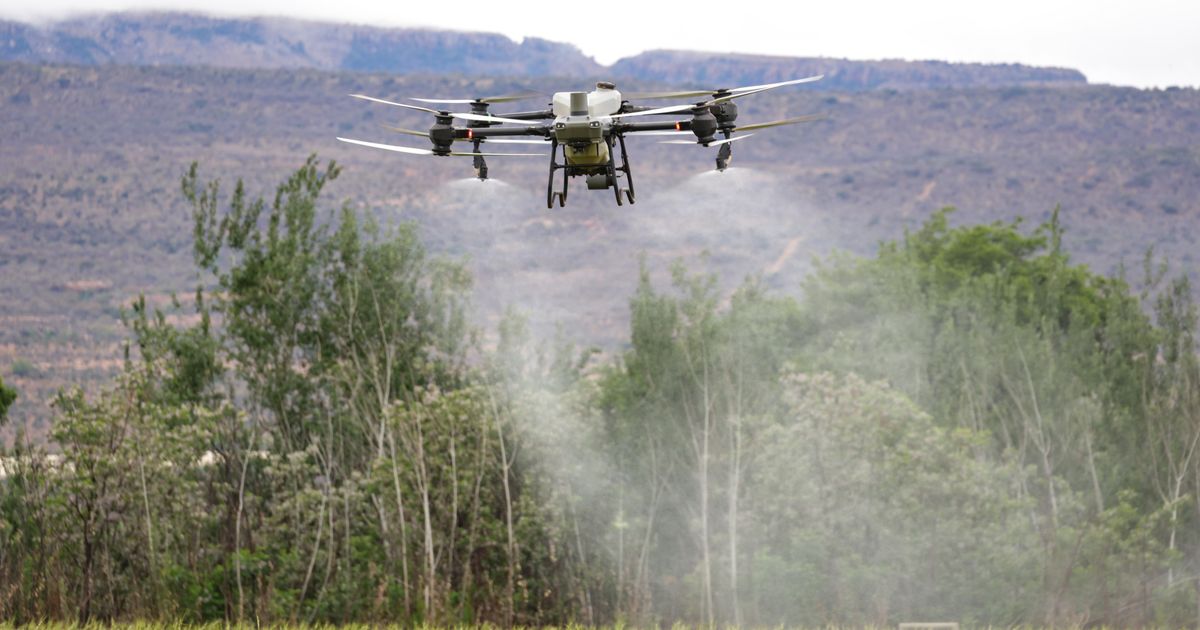
Rice-fish farming is an efficient, integrated agricultural practice where fish are raised in flooded rice paddies. The fish consume pests and weeds, fertilize the rice with their nutrient-rich waste, and provide an additional protein crop for the farm, effectively doubling production from the same land and water resources.
How Rice-Fish Farming Works
The System
- Rice paddy is prepared as usual (plowed, flooded, transplanted).
- Deeper channels (50-80cm) are dug in the paddy to provide a fish refuge.
- Fish fingerlings (tilapia) are stocked 2-3 weeks after rice transplanting.
- Fish grow for 90-120 days alongside the rice crop.
- Rice is harvested while fish retreat to the deeper channels.
- Paddy is drained and fish are harvested.
- Both rice and fish are sold, creating a dual-income stream from the same plot.
Benefits
| Benefit | Impact |
|---|---|
| No additional land | Uses existing rice paddies |
| No additional water | Fish live in rice floodwater |
| Pest control | Fish eat insects and larvae → less pesticide needed |
| Weed control | Fish eat aquatic weeds → less weeding |
| Fertilizer | Fish waste fertilizes rice → less fertilizer needed |
| Protein | Additional fish crop → nutrition + income |
| Income increase | +$300-800/ha from fish alone |
Economics
Rice-Fish System (1 hectare)
| Component | Rice Only | Rice + Fish |
|---|---|---|
| Rice yield | 1,200 kg | 1,500 kg (+25% from pest/weed control) |
| Rice revenue | $480 | $600 |
| Fish yield | 0 | 200-400 kg |
| Fish revenue | $0 | $600-1,200 |
| Input savings (pesticide/weed) | $0 | -$50 (less chemicals) |
| Total revenue/ha | $480 | $1,200-1,800 |
| Income increase | — | +150-275% |
Implementation Requirements
- Paddy modification: Dig refuge channels (30-50cm deep, 1m wide) — costs $100-200/ha.
- Fish fingerlings: 5,000-10,000 tilapia fingerlings at $0.10-0.20 = $500-2,000/ha.
- Fish feed: Supplemental feed if natural food is insufficient — $100-300/ha.
- Water management: Maintain 10-20cm water depth (standard for rice).
- Fencing: Prevent fish escape during floods — $50-100/ha.
- Training: Farmers need basic fish management skills.
The Nature of the Harvest
Agriculture as the engine of wealth: ten great books on farming, land, seed, water, risk and innovation, and who funds agriculture in Mozambique.
PDF ebook, instant download. $5 of every copy buys seed for a farmer.
The Smallholder Farmer's Season
For a smallholder farmer, this integrated approach fundamentally changes the growing cycle by turning the paddy into a multi-layered ecosystem. Instead of monitoring only rice growth, the farmer must maintain specific water depths for fish survival and manage the refuge channels throughout the 90-120 day growth period. This requires early season labor to prepare the channels and a dual-harvest strategy, but it results in a more resilient farm that produces both a staple grain and a valuable protein source.
Best Provinces
| Province | Rice Area (ha) | Suitability | Potential Fish Production (tons) |
|---|---|---|---|
| Zambézia | 80,000 | Excellent | 2,000-3,200 |
| Sofala | 40,000 | Very good | 1,000-1,600 |
| Gaza | 15,000 | Good (irrigated) | 375-600 |
| Maputo | 8,000 | Good | 200-320 |
| Nampula | 25,000 | Moderate | 625-1,000 |
| Total | 168,000 | 4,200-6,720 |
Future Potential
Technological advancements such as AI-driven water quality monitoring and automated nutrient sensing could eventually optimize rice-fish systems. Research into precision aquaculture suggests that digital sensors could track oxygen levels or pH in paddy refuge channels, providing farmers with real-time data to maximize yield. While these remain research directions for the future of Mozambican agriculture, they represent how modern tools might eventually scale traditional integrated farming.
Frequently asked questions
Q: Does rice-fish farming require more water than traditional rice farming? A: No, the system utilizes the existing rice floodwater without requiring extra water volume.
Q: What role do fish play in pest control? A: Fish consume insect larvae and weeds in the paddy, which reduces the need for external chemical pesticides and herbicides.
Q: How much can a farmer expect to increase their income with this system? A: By selling both the rice and the additional fish crop, farmers can see an income increase of 150-275% per hectare.
Maputo Bridge Capital, founded by Anselmo Boaventura in Fort Worth, Texas, connects sponsors with verified smallholder farmers, such as those working with the COJAZ cooperative in Zambezia. You can support these farmers by sponsoring a portion of their seed and fertilizer costs from $25 at sponsor a farmer. Sponsorships are gifts, not investments, and are not tax-deductible; 92% of your gift goes directly to the local shop for supplies, while 8% covers verification and documentation.