
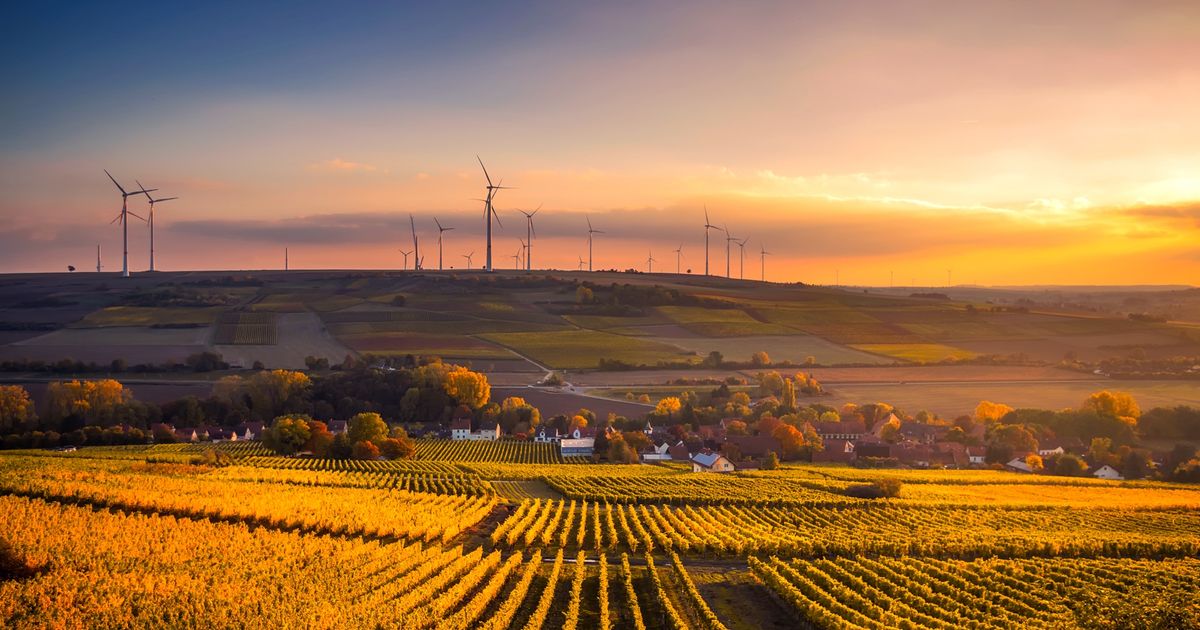
The Mozambique tea industry is centered in the Gurué highlands of Zambézia province, where 8,000 hectares of plantations produce 10,000 tons of black tea annually. While the industry was impacted by the civil war (1977-1992), it is currently recovering with global tea demand rising by 5% each year.
Tea Production
Statistics
| Metric | Value |
|---|---|
| Plantation area | 8,000 hectares |
| Annual production | 10,000-12,000 tons (made tea) |
| Main location | Gurué, Zambézia province |
| Elevation | 800-1,500m |
| Rainfall | 1,500-2,500mm/year |
| Varieties | Assam (black tea), Clone tea |
| Yield | 1,200-1,500 kg/ha (potential: 2,500+) |
| Export value | $15-20 million/year |
| Employment | 15,000+ workers |
Tea Estates
Major tea companies in Gurué:
- Chaze de Gurué — Largest, 2,500 hectares
- Magoma Tea — 1,500 hectares
- Chaze Milange — 1,000 hectares
- Namarroi Tea — 800 hectares
- Lical — 600 hectares
Tea Processing
From Leaf to Cup
- Plucking: Hand-pick top 2-3 leaves every 7-10 days
- Withering: Reduce moisture 12-18 hours
- Rolling: Break cell walls, release enzymes
- Fermentation: Oxidize 1-3 hours (creates black tea color/flavor)
- Drying: Stop fermentation, reduce to 3% moisture
- Sorting/Grading: By leaf size (BOP, BOPF, PF, dust)
- Packaging: Export in tea chests or paper sacks
Green Tea Opportunity
Mozambican tea is currently all black (fermented). Green tea (unfermented) commands a 30-50% premium globally. The process requires skipping the fermentation step, though it would require a modified processing line estimated at $50,000-$200,000. This could yield $1.50/kg compared to $1.00/kg for black tea.
The Nature of Wealth
How Asia climbed from poverty to wealth in one lifetime, what more than fifty thinkers teach, and a four-stage plan for Mozambique through agriculture and markets.
PDF ebook, instant download. $5 of every copy buys seed for a farmer.
The Smallholder Farmer's Season
For smallholder farmers in Zambézia, participating in the tea sector means intensive labor during the plucking season. Farmers must hand-pick the top leaves every 7-10 days to ensure the quality required for the market, balancing this with the daily weather fluctuations in the highlands that impact moisture levels during the withering phase.
Future Potential and Research
Beyond current practices, the industry looks toward future modernization. Concepts like automated factory upgrades could increase yields by 30-50%. Organic certification involves a 3-year transition but opens markets in the US and EU, while agri-tourism remains an untapped path for diversifying income streams within the Gurué estates.
Frequently asked questions
What is the primary difference between black and green tea processing? The main difference is that green tea production skips the 1-3 hour fermentation phase required to create the color and flavor of black tea.
What is the annual production capacity of the Gurué plantations? The Gurué highlands produce between 10,000 and 12,000 tons of made tea annually.
How does elevation affect tea growing in Mozambique? Tea is grown at elevations between 800 and 1,500 meters, which provides the necessary climate for these tea varieties to thrive.
Maputo Bridge Capital, founded by Anselmo Boaventura in Fort Worth, Texas, connects sponsors with verified smallholder farmers in Mozambique, including those working with the COJAZ cooperative in Zambezia. A sponsor gives from $25, which goes directly to the farmer's local seed and fertilizer shop; 92% of the funds reach the shop, while 8% covers verification and documentation. After harvest, farmers repay into a Community Fund that helps the next farmer. To support this work, please sponsor a farmer; note that sponsorships are gifts, not investments.