
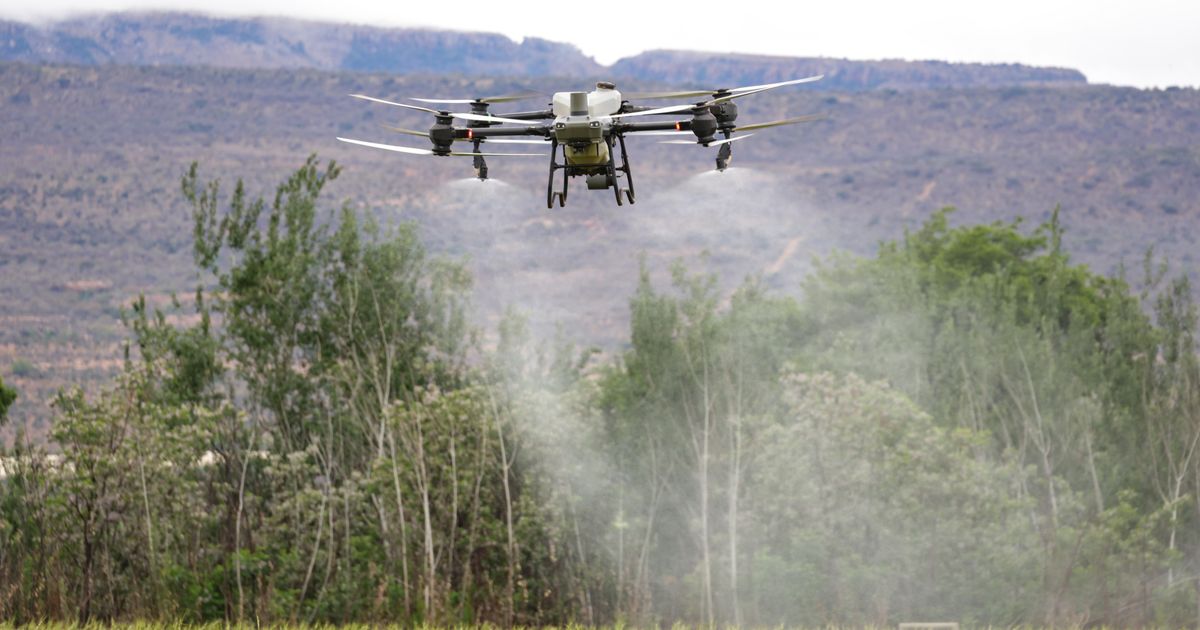
Only 50% of Mozambicans have access to clean water, with access in rural areas dropping significantly to just 30%. This shortage creates a severe rural health crisis, as women and girls must spend over four hours each day fetching water, which reduces time available for essential agricultural tasks, schooling, and income-generating work.
The Water Gap
Access Statistics
| Metric | Mozambique | Sub-Saharan Average |
|---|---|---|
| Clean water access (total) | 50% | 65% |
| Rural access | 30% | 50% |
| Urban access | 80% | 85% |
| Sanitation access | 25% | 40% |
| Rural sanitation | 15% | 30% |
| Time spent fetching water (rural) | 4 hrs/day | 2 hrs/day |
| Waterborne disease rate | High | Moderate |
Water Sources in Rural Mozambique
| Source | % of Rural Population | Quality | Reliability |
|---|---|---|---|
| Open wells | 35% | Poor — contamination | Seasonal (dry in drought) |
| Rivers/streams | 30% | Very poor — disease | Seasonal |
| Boreholes with pump | 20% | Good | Reliable (if maintained) |
| Piped water | 10% | Good | Variable |
| Rainwater harvesting | 5% | Good (if filtered) | Seasonal |
Health Impact
Waterborne Diseases
| Disease | Annual Cases | Cause | Prevention |
|---|---|---|---|
| Cholera | 5,000-30,000 | Contaminated water | Clean water + sanitation |
| Diarrhea | 2M+ episodes | Contaminated water | Clean water |
| Schistosomiasis | 8M infected | River water | Clean water + treatment |
| Malaria | 8M cases | Standing water | Drainage + bed nets |
Economic Impact
- 10-15 lost work days per person per year due to waterborne illness
- 4 hours/day fetching water = 1,460 hours/year lost productivity
- Medical costs for waterborne disease: $20-50 per episode
- Child mortality: 15% of under-5 deaths are water-related
The Nature of Mozambican Agricultural Land
Land rights (DUAT), community mapping, soil, water, erosion and regeneration. Read the DUAT chapter and five soil tests free.
PDF ebook, instant download. $5 of every copy buys seed for a farmer.
Water Solutions by Cost
1. Hand-Dug Well ($500-$2,000)
- Depth: 5-15 meters
- Serves: 50-200 people
- Lifespan: 5-10 years
- Maintenance: Low
- Risk: Dries up in drought
2. Borehole with Hand Pump ($3,000-$8,000)
- Depth: 30-80 meters
- Serves: 300-500 people
- Lifespan: 15-20 years
- Maintenance: Moderate (pump repair)
- Reliability: High (drought resistant)
3. Solar-Powered Borehole ($8,000-$25,000)
- Depth: 30-100 meters
- Serves: 1,000-3,000 people
- Lifespan: 20-25 years
- Maintenance: Low (solar, no fuel)
- Output: 5,000-20,000 liters/day
- Potential Technology: Future integration of IoT sensors for real-time flow monitoring and smart grid solar management could revolutionize water distribution in remote farming regions.
4. Piped Water System ($50K-$500K)
- Source: Borehole or spring
- Serves: 2,000-10,000 people
- Lifespan: 30+ years
- Maintenance: Moderate (pipe network)
- Advantage: Household connections
5. Rainwater Harvesting ($100-$1,000 per household)
- System: Gutters + tank (5,000-50,000 liters)
- Serves: 1 household (6-10 people)
- Lifespan: 15-20 years
- Reliability: Seasonal (needs storage for dry season)
- Advantage: Cheapest clean water solution
Impact on the Smallholder Farmer's Season
For a smallholder farmer, reliable access to water fundamentally shifts the agricultural calendar from a reliance on unpredictable rain-fed cycles to year-round productivity. By reducing the time spent fetching water, families can dedicate more energy to field maintenance, crop diversification, and soil health improvement, which is crucial for maximizing yields when using the resources described in our guide on the Mozambique Maize Value Chain.
Frequently asked questions
Q: Why do open wells often fail during dry seasons? A: Open wells are typically shallow and rely on surface water tables that deplete rapidly during periods of drought.
Q: How does contaminated water impact rural labor productivity? A: It leads to significant time lost due to waterborne illness—estimated at 10 to 15 days per person annually—plus the daily labor of water collection.
Q: Can solar-powered systems provide irrigation benefits? A: Yes, solar-powered borehole systems can be configured to deliver high volumes of water, providing the consistent supply needed for both domestic use and small-scale crop irrigation.
Potential Business Models in Water Infrastructure
While the technology for borehole drilling, solar pumping, and water kiosks continues to evolve, businesses in these sectors remain critical to solving the infrastructure deficit. Entrepreneurs are exploring ways to scale these solutions to ensure that the 70% of rural residents currently without clean water gain sustainable access through borehole construction, efficient solar distribution, and localized water kiosk management.
Maputo Bridge Capital (MBC), founded by Anselmo Boaventura in Fort Worth, Texas, works to support the agricultural potential of these communities by connecting sponsors with verified smallholder farmers in Mozambique, specifically through our partnership with the COJAZ cooperative in Zambezia. A sponsor gives from $25, and this gift goes directly to the farmer's local seed and fertilizer shop to support their seasonal growth; 92% goes to the shop, while 8% covers field verification and documentation. Because these sponsorships are gifts and not investments, they are not tax-deductible, and we encourage you to sponsor a farmer to help drive sustainable change.