
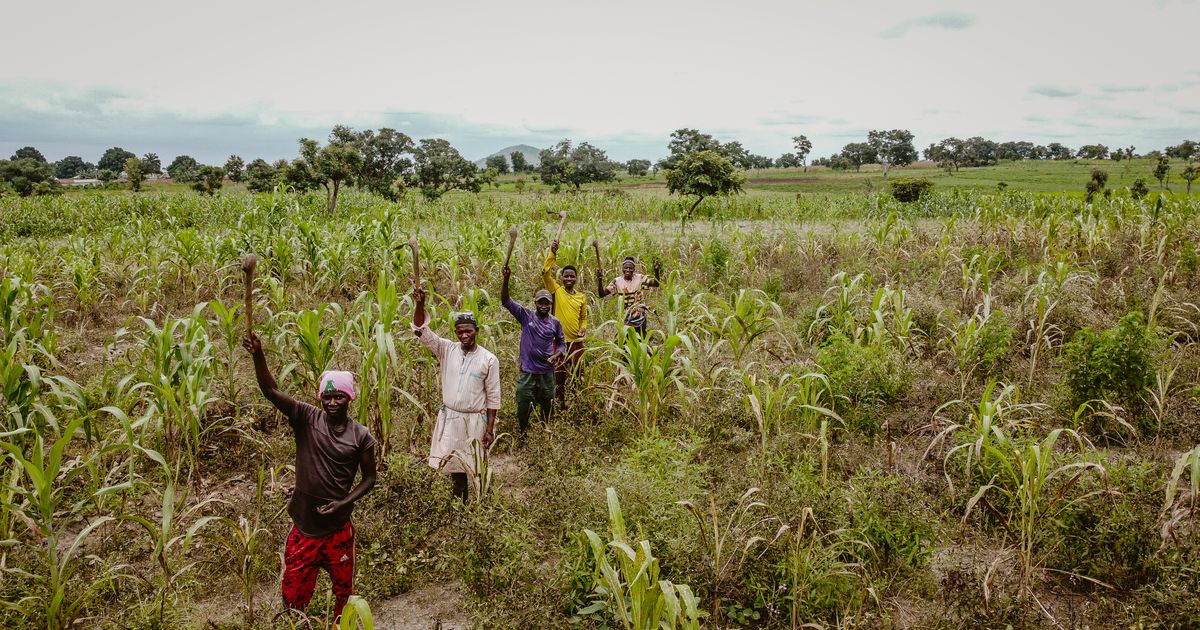
The global goal to achieve zero hunger and sustainable development by 2030 is approaching, yet Mozambique's 3 million unbanked smallholder farmers continue to operate without reliable credit or safety nets. Maputo Bridge Capital (MBC), founded by Anselmo Boaventura in Fort Worth, Texas, works to bridge this gap by connecting sponsors directly with verified smallholder farmers in Mozambique, specifically through the COJAZ cooperative in Zambezia.
Six Years Left. Three Million Farmers Waiting.
Mozambique possesses 36 million hectares of arable land, representing one of the most significant agricultural assets in Africa. While the country boasts 25 million mobile money accounts, the vast majority of the population—81%—are smallholder farmers who remain unbanked and lack access to formal, affordable credit. Without this capital, farmers cannot purchase necessary inputs like fertilizer, leading to stagnant yields and persistent food insecurity. SDG 2, which aims to eradicate hunger, requires structural changes rather than just intentions to succeed.
Technology and the Agricultural Frontier
The previous barrier to agricultural lending was a lack of reliable information, but modern technology is changing this landscape. Research into satellite credit scoring suggests that we can analyze crop health, land productivity, and climate risk from space to understand farm viability. Furthermore, AI and digital tracking platforms could theoretically process vast amounts of agricultural data to refine yield projections and climate resilience strategies. While these remain research directions for the future of digital agriculture in Mozambique, they represent the types of systemic improvements that could eventually help farmers bypass traditional, rigid financial institutions.
The Smallholder Farmer's Season
For a smallholder farmer, the season is a race against time. The lack of access to early-season capital for seeds and fertilizer often delays planting, which forces farmers to miss the optimal rainfall windows. By providing inputs at the right time, farmers can ensure their crops reach their full potential, directly impacting their family's food security and long-term stability.
Frequently asked questions
What are the primary barriers for smallholder farmers? The main barrier is the lack of formal, fair, and affordable credit, which prevents farmers from purchasing necessary inputs like fertilizer to improve yields.
How does technology influence modern agriculture? Technologies such as satellite imagery can assess land productivity and crop health from space, providing data that helps evaluate agricultural performance.
Why is the 2030 timeline significant? It marks the global deadline for the Sustainable Development Goals, including the mandate to eradicate hunger, which remains a challenge for agricultural-dependent nations.
To help us bridge the gap, you can sponsor a farmer from just $25 by visiting our sponsorship page. Please note that sponsorships are considered gifts rather than investments and are not tax-deductible.

