
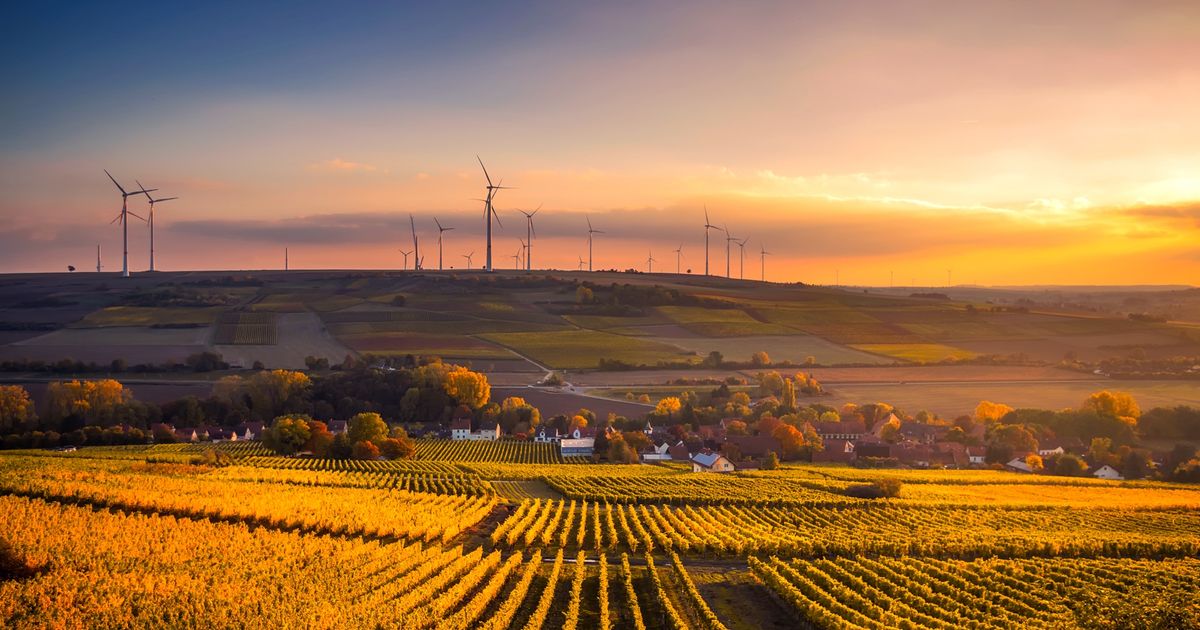
Large-scale mining projects, such as those found in the graphite-rich regions of Cabo Delgado, bring significant changes to the rural landscape of Mozambique. For smallholder farming families, these operations can shift the availability of land, access to local resources, and the rhythm of traditional agricultural life in the province.
Impact of Mining on Local Land Use
When large industrial projects enter a region, land usage often undergoes a transformation. For families who have traditionally cultivated small plots of land, the presence of mining infrastructure means that access to fertile soil and grazing grounds can become more limited or restricted. It is crucial for farming families to be aware of their land rights and to engage with local cooperatives to ensure that their agricultural livelihoods are protected as the industrial sector expands in areas like Balama.
Adapting Agriculture Amid Industrial Growth
For those living near mining hubs, focusing on high-yield, sustainable agricultural practices is more important than ever. By strengthening local farming communities, families can better resist the economic shocks often associated with industrial shifts. Organizations like the COJAZ cooperative in Zambezia demonstrate how collective action and shared knowledge can help farmers increase their production of staple crops, ensuring food security despite regional changes. Learning about modern seed management and fertilizer application, as detailed in our guides for farmers, is a practical step for families looking to secure their future.
The Nature of Wealth
How Asia climbed from poverty to wealth in one lifetime, what more than fifty thinkers teach, and a four-stage plan for Mozambique through agriculture and markets.
PDF ebook, instant download. $5 of every copy buys seed for a farmer.
Supporting Families in Changing Landscapes
Supporting a farming family involves more than just addressing immediate needs; it is about providing the tools for long-term stability. When a family is able to secure high-quality seeds and fertilizers, they become less dependent on external fluctuations and more capable of sustaining their household. Whether you are a neighbor in a nearby village or a supporter abroad, learning how to help farmers in Mozambique is a great way to contribute to rural resilience.
Frequently asked questions
How does mining affect the land used by farmers? Mining operations often require large tracts of land, which can reduce the area available for traditional smallholder farming and grazing, sometimes necessitating transitions to different plots.
Can smallholder farmers benefit from industrial development? While direct benefits are not always immediate, strong community cooperatives can help farmers advocate for their interests and improve their farming techniques to stay resilient.
What is the best way to support a farming family in rural Mozambique? Providing direct support for essential supplies like high-quality seeds and fertilizer empowers families to increase their yields and maintain their independence.
To help a family secure their upcoming harvest, you can sponsor a farmer with a gift starting from $25. These sponsorships are gifts to provide seeds and fertilizer—not investments—and they help ensure that farmers have the resources they need to thrive. Your contribution directly supports the growth of healthy crops, and after the harvest, farmers contribute to a Community Fund that helps support the next family in line.