
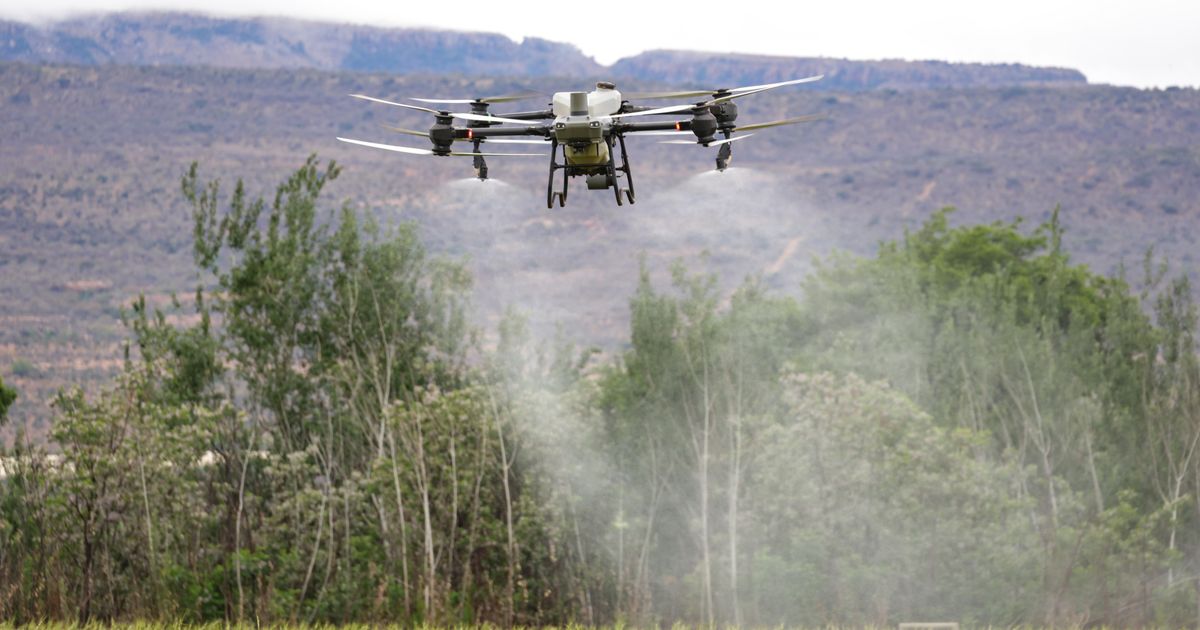
Transforming dead land into productive farmland is achievable by implementing a structured, low-cost agronomic system that focuses on soil health and water efficiency. By following a 7-step blueprint, a smallholder farmer can move from subsistence levels of $200 per hectare to a productive yield of $2,000 to $5,000 per hectare with a total inputs budget of $115.
The 7-Step Transformation
Step 1: Soil Testing (Day 1) — Cost: $0
- Conduct visual soil assessments, including the ball test, jar test, color test, and pH testing with vinegar.
- Determine the soil composition (sandy, clay, or loam) and acidity levels to establish a baseline.
- Record all findings in a notebook to track soil improvements over future seasons.
Step 2: Soil Correction (Days 1-30) — Cost: $60
- Apply biochar (5 tons/ha): $50-100 (the trench method allows for a $0 cost if performed DIY).
- Apply wood ash (2 tons/ha): $0 (collected from household fireplaces).
- Apply bokashi compost: $2.50-5.50 per batch.
- Plant green manure cover crops such as mucuna or crotalaria: $3 in seeds.
- Effect: These actions raise pH levels, add permanent soil carbon, and help unlock phosphorus.
Step 3: Seed Preparation (Days 15-20) — Cost: $5
- Select and save seeds from high-performing plants or purchase improved varieties: $0-5.
- Hydro-prime seeds by soaking them for 8-12 hours before drying: $0.
- Coat seeds with wood ash to provide natural pest protection: $0.
- Perform a hot water treatment at 50°C for 30 minutes to reduce pathogen load: $0.
- Create clay seed balls for efficient broadcasting: $5.
Step 4: Water System (Days 20-30) — Cost: $47
- Install gravity-fed drip irrigation: $47.
- Dig Zai pits to concentrate rainwater and nutrients: $0.
- Construct a small farm pond if space permits: $50-200.
- Effect: Enhances the ability to farm year-round, potentially adding 2-3 extra harvests while reducing water usage by 50%.
Step 5: Planting (Day 30) — Cost: $0
- Utilize no-till methods to preserve soil structure.
- Plant directly through mulch and crop residue.
- Use clay seed balls to broadcast across the field.
- Intercrop maize with beans and vegetables to maximize land use and nutrient diversity.
- Implement contour farming if the land is sloped to prevent erosion.
Step 6: Fertility Management (Ongoing) — Cost: $3
- Apply compost tea every 2 weeks: $0.20/batch.
- Apply Korean Natural Farming (KNF) inputs like IMO or LAB: $1.
- Plant green manure between growing cycles: $3.
- Mulch the soil surface with crop residues: $0.
- Introduce azolla into rice paddies to fix nitrogen: $0.
Step 7: Pest Control (Ongoing) — Cost: $0.05
- Create a neem oil spray (1kg leaves in 10L water): $0.05.
- Use companion planting with marigold or basil: $0-2.
- Intercrop to confuse and deter common pests: $0.
- Practice crop rotation to break pest life cycles: $0.
The Nature of Mozambican Agricultural Land
Land rights (DUAT), community mapping, soil, water, erosion and regeneration. Read the DUAT chapter and five soil tests free.
PDF ebook, instant download. $5 of every copy buys seed for a farmer.
The Complete Budget
| Item | Cost |
|---|---|
| Biochar (DIY trench) | $0-50 |
| Bokashi compost | $5 |
| Seeds (saved + clay balls) | $5 |
| Drip irrigation | $47 |
| Green manure seeds | $3 |
| KNF/EM inputs | $1 |
| Neem spray | $0.05 |
| Compost tea | $0.20 |
| TOTAL | $61.25-$115.25 |
Impact on the Farmer's Season
For a smallholder farmer in Mozambique, this transformation shifts the agricultural cycle from a single, high-risk rainy season crop to a managed, year-round system. By improving soil pH and water retention through techniques like Zai pits and gravity-fed drip irrigation, the farmer reduces the risk of total crop failure due to drought. The combination of green manure and compost tea provides ongoing fertility that replaces the need for expensive, unavailable commercial fertilizers, ensuring the land becomes more productive with each passing harvest.
Frequently asked questions
How does intercropping benefit a field?
Intercropping involves growing multiple crops like maize and beans together, which helps suppress weed growth, confuses pests, and improves overall soil nutrient efficiency.
Why is biochar used in soil correction?
Biochar is used to raise soil pH, improve moisture retention, and increase the soil's organic carbon content, which helps "unlock" locked nutrients like phosphorus.
What is the purpose of no-till planting?
No-till planting prevents the disturbance of soil structure and protects the fungal networks and organic matter essential for long-term soil health.
Maputo Bridge Capital, founded by Anselmo Boaventura in Fort Worth, Texas, connects sponsors with verified smallholder farmers in Mozambique, such as those in the COJAZ cooperative. A sponsor gives from $25, which goes directly to the farmer's local seed and fertilizer shop; 92% of the funds go to inputs, while 8% covers verification. Sponsorships are gifts, not investments, and are not tax-deductible. To help a farmer, please sponsor a farmer here.