
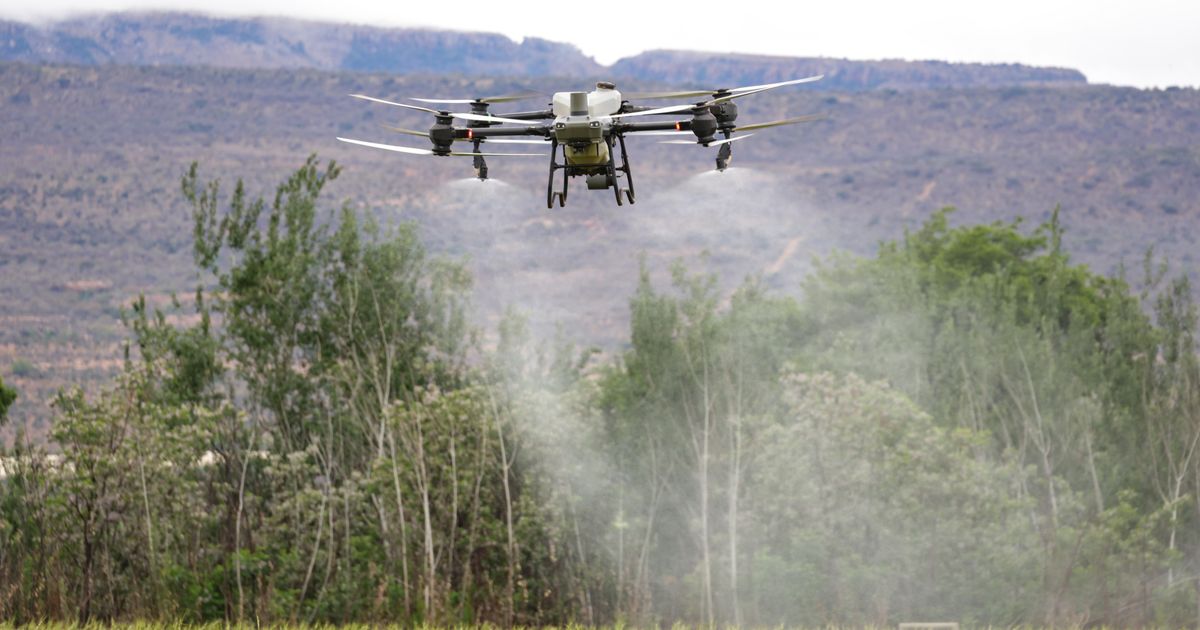
Climate-adaptive infrastructure in Mozambique is the essential defense mechanism against the $486 million in annual losses caused by cyclones, floods, and persistent droughts. By integrating water management systems, windbreaks, raised storage, and early warning tools, farming communities can protect their harvests and ensure resilience in a changing environment.
Climate Risks by Province
| Province | Primary Risk | Frequency | Impact |
|---|---|---|---|
| Cabo Delgado | Cyclones | Every 2-3 years | Crop destruction, infrastructure loss |
| Nampula | Drought | Every 3-4 years | Crop failure, food insecurity |
| Zambézia | Floods | Annual | Crop loss, soil erosion |
| Sofala | Cyclones | Every 2-3 years | Total crop destruction |
| Tete | Drought | Every 2-3 years | Water scarcity, crop failure |
| Gaza | Drought | Chronic | Permanent water stress |
Climate-Adaptive Infrastructure Solutions
1. Water Management
- Earth dams: Capture rainfall for dry season ($200-500 per dam)
- Contour bunds: Slow water runoff, prevent erosion (free, labor only)
- Rainwater harvesting: Tanks, gutters on farm buildings ($50-200)
- Drip irrigation: 50% water savings vs. flood irrigation ($100-300)
2. Windbreaks and Shelterbelts
- Plant rows of fast-growing trees (eucalyptus, casuarina) around fields
- Reduces wind damage during cyclones by 50-70%
- Provides firewood and construction material
- Cost: Labor only (seeds from IIAM or NGO programs)
3. Raised Storage Platforms
- Build grain storage on raised platforms (1-2 meters above ground)
- Prevents flood damage to stored harvest
- Combined with PICS bags = flood-proof and pest-proof storage
- Cost: 2,000-5,000 MZN for materials
4. Drought-Resistant Infrastructure
- Deep wells: 30-50m boreholes for dry-season water ($1,000-3,000)
- Solar pumps: Power irrigation without fuel costs ($500-1,000)
- Drought-tolerant crops: Cassava, sorghum, cowpea instead of maize
- Mulching: Preserve soil moisture (free, labor only)
5. Early Warning Systems
- Digital SMS alerts: Cyclone warnings 48-72 hours in advance
- Satellite NDVI: Detect crop stress before visible damage
- Weather data: Open-Meteo rainfall forecasts
- Community radio: Broadcast warnings in local languages
The Nature of Mozambican Agricultural Land
Land rights (DUAT), community mapping, soil, water, erosion and regeneration. Read the DUAT chapter and five soil tests free.
PDF ebook, instant download. $5 of every copy buys seed for a farmer.
Impact on the Smallholder Season
For a smallholder farmer in Mozambique, climate-adaptive infrastructure changes the agricultural cycle from one of constant crisis management to one of stability. By utilizing raised storage and water management techniques, farmers can preserve their harvest even when seasonal floods occur, ensuring food security for their families and keeping enough seed for the next planting season.
The Role of IFAD
The International Fund for Agricultural Development (IFAD) funds climate-adaptive infrastructure in Mozambique:
- Rural roads that withstand flooding
- Irrigation systems with climate-resilient design
- Storage facilities elevated above flood lines
- Early warning communication systems
Future Technologies
Future research focuses on how emerging technologies could eventually bolster Mozambican agriculture. Concepts like sophisticated AI modeling for crop yields and advanced satellite sensors could offer hyper-local weather predictions. While not currently offered as a product, these research directions represent potential future infrastructure enhancements that could help farmers better predict rainfall patterns and manage soil health in real-time.
Related guide: Climate-smart agriculture in Mozambique: 6 technologies helping farmers beat drought, floods and cyclones
Frequently asked questions
What are contour bunds? Contour bunds are simple agricultural structures used to slow water runoff and prevent soil erosion during heavy rains.
Why are raised storage platforms important? They keep grain harvests 1-2 meters above ground, protecting the produce from flood damage and humidity.
How do windbreaks help farmers? Planting rows of trees around fields can reduce physical wind damage to crops during cyclones by 50-70%.
Conclusion
Maputo Bridge Capital, founded by Anselmo Boaventura in Fort Worth, Texas, connects sponsors with verified smallholder farmers in Mozambique, including those working with the COJAZ cooperative in Zambezia. A sponsor gives from $25; 92% goes directly to the farmer's local seed and fertilizer shop, while 8% covers field verification and receipt documentation. Sponsorships are gifts, not investments, and are not tax-deductible. To support a farmer, visit sponsor a farmer.
Versão Portuguesa
Infraestrutura Adaptada ao Clima: Defesa Contra Inundações e Ciclones em Moçambique
Moçambique perde $486 milhões anualmente em desastres climáticos, tornando a infraestrutura adaptada ao clima uma questão de sobrevivência.
Soluções de Infraestrutura
- Gestão de Água: Barragens de terra e irrigação gota-a-gota.
- Quebra-ventos: Árvores que reduzem danos de ciclones em 50-70%.
- Plataformas Elevadas: Armazenamento acima do nível de inundação.
- Resistência à Seca: Poços profundos e bombas solares.
- Sistemas de Alerta: Avisos via SMS e monitoramento via satélite.
O Papel do IFAD
O IFAD financia infraestrutura resiliente, incluindo estradas, sistemas de irrigação e armazenamento elevado para proteger os agricultores.