Cooperativas em Mocambique: Complete Investment Guide to Agricultural Cooperatives 2026
Cooperativas em Mocambique are set for historic growth with the government's National Cooperative Development Program 2026-2046 — a plan to formalize 10,000 cooperatives, integrate 1.5 million operators, and create 500,000 jobs. This guide covers how agricultural cooperatives work in Mozambique, investment opportunities, and how MBC supports cooperative development.
Cooperativas em Mocambique: The Government Plan
National Cooperative Development Program 2026-2046
- Goal: Formalize 10,000 cooperatives over 20 years
- Members: Integrate 1.5 million cooperative operators
- Jobs: Create 500,000 jobs through cooperatives
- Timeline: 2026-2046
- Focus: Agricultural cooperatives as key economic driver
Why Cooperatives Matter in Mozambique
- 95% informal economy — cooperatives formalize informal farmers
- Collective bargaining — better prices for produce
- Shared resources — tractors, storage, processing equipment
- Access to credit — cooperatives are more bankable than individual farmers
- Risk sharing — collective insurance, shared risk
- Government support — cooperatives eligible for subsidized programs
- Export readiness — cooperatives can meet export volume requirements
Types of Agricultural Cooperatives in Mozambique
1. Production Cooperatives
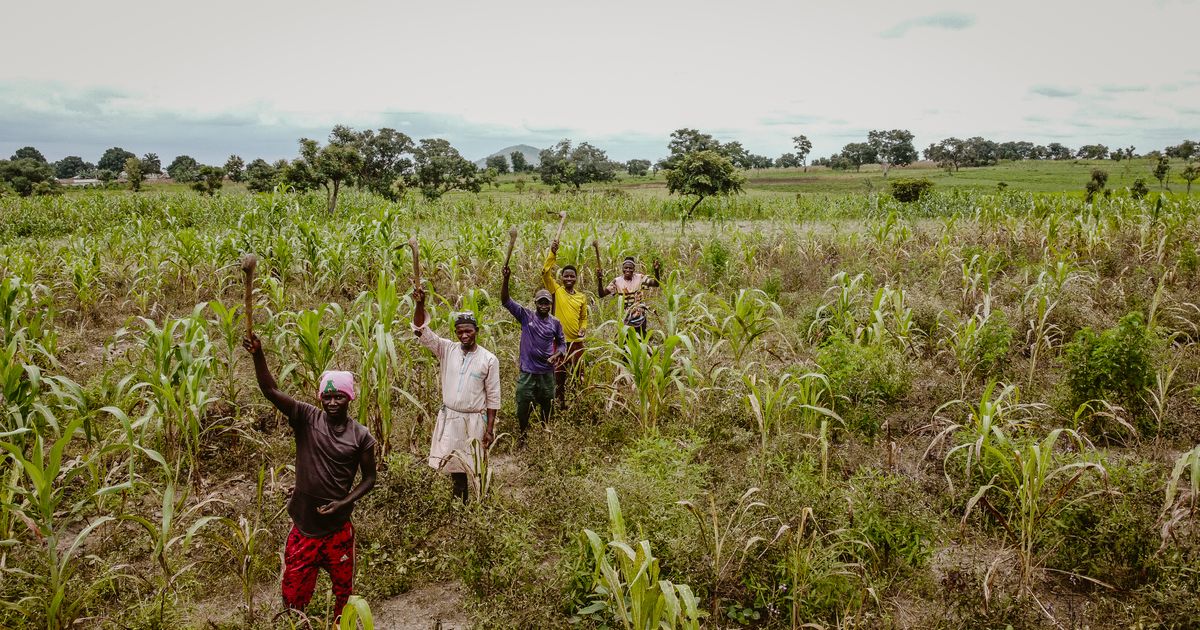
Farmers jointly cultivate land, share labor, and pool harvests. Common in maize, rice, and cassava farming.
2. Marketing Cooperatives
Farmers collectively market and sell their produce. Better negotiating power with buyers. Common in cashew, sesame, and cotton.
3. Input Supply Cooperatives
Cooperatives purchase seeds, fertilizer, and equipment in bulk at discounted prices. Critical given fertilizer prices up 94.8% in 2026.
4. Processing Cooperatives
Cooperatives jointly own processing facilities — cashew processing, maize milling, cassava flour production.
5. Credit and Savings Cooperatives (SACCOs)
Microfinance cooperatives providing savings and loan services to members. Alternative to traditional banks.
Investment Opportunities in Cooperativas
1. Cooperative Financing Fund ($100K - $1M, 12-18% IRR)
Model: Provide harvest-aligned micro-loans to cooperative members Disbursement: Via M-Pesa to individual members Credit Scoring: Satellite-based using cooperative NDVI data Repayment: After collective harvest sale
2. Cooperative Processing Facility ($250K - $2M, 20-30% IRR)
Model: Joint processing facility for cooperative members Products: Cashew processing, maize milling, cassava flour Market: Domestic + export to Asia Advantage: Captures value addition locally
3. Cooperative Equipment Pool ($50K - $500K, 15-25% IRR)
Model: Shared tractors, irrigation systems, processing equipment Management: Cooperative governance with MBC agent network oversight Payment: Per-use via M-Pesa
4. SACCO (Savings and Credit Cooperative) ($100K - $500K, 15-20% IRR)
Model: Rural microfinance cooperative Services: Savings accounts, micro-loans, insurance Technology: M-Pesa integration + MBC credit scoring Regulation: Banco de Moçambique oversight
5. Cooperative Export Aggregation ($250K - $2M, 20-30% IRR)
Model: Aggregate production from multiple cooperatives for export Volume: 50-500 tons per shipment Market: Asian buyers via MBC blockchain traceability Quality: Standardized grading via collection hubs
How MBC Supports Cooperativas
Satellite Credit Scoring for Cooperatives
MBC's satellite credit scoring evaluates cooperative health using aggregate NDVI data across all member farms — generating a cooperative credit score.
Blockchain Governance
MBC's blockchain ledger ensures transparent cooperative governance — every transaction, loan disbursement, and harvest sale is recorded immutably.
Mobile Money Integration
All cooperative transactions — member contributions, loan disbursements, harvest payments — settle via M-Pesa at 63.5 MZN/USD.
Collection Hub Network
MBC's hub-and-spoke model connects cooperatives to collection hubs for quality grading, aggregation, and export.
Transparent Fees
Our fee structure: 70% to cooperative, 9% MBC margin, 15% reserve.
Full Risk Disclosure
Read our complete risk disclosure.
Cooperativas em Mocambique: Key Facts
| Metric | Value | |--------|-------| | Government program | 2026-2046 (20 years) | | Cooperatives to formalize | 10,000 | | Operators to integrate | 1.5 million | | Jobs to create | 500,000 | | Informal economy | 95% | | Main cooperative types | Production, marketing, input, processing, SACCO | | MBC role | Credit scoring, M-Pesa, blockchain governance | | Government focus | Agricultural cooperatives as key driver |
The 500,000 Jobs Opportunity
The government's plan to create 500,000 jobs through cooperatives represents a massive opportunity for MBC:
- Each cooperative needs financing, technology, and market access
- MBC provides all three: credit scoring, M-Pesa integration, and export markets
- 10,000 cooperatives × $50K average loan = $500M in financing needed
- MBC is positioned as the technology and financing partner for this program
Conclusion
Cooperativas em Mocambique are entering a golden age with the government's 2026-2046 program to formalize 10,000 cooperatives and create 500,000 jobs. MBC is positioned as the technology and financing partner — providing satellite credit scoring, M-Pesa integration, blockchain governance, and export market access. The cooperative model is the key to formalizing Mozambique's 95% informal agricultural economy.
Explore investment opportunities | Learn about compliance | Contact us