
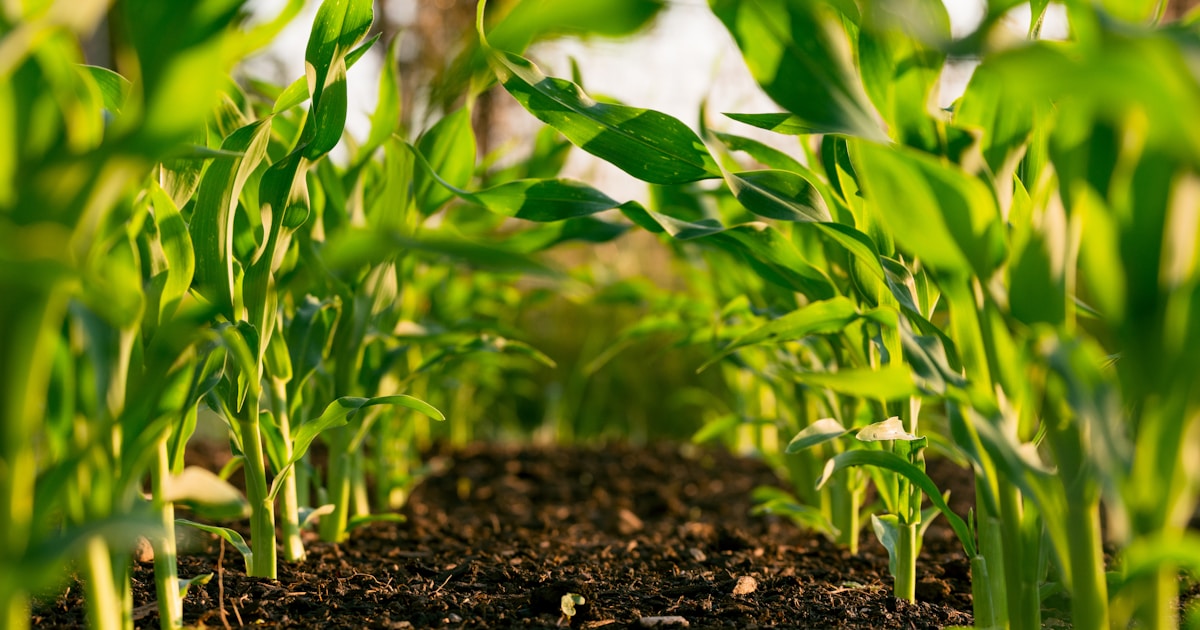
Entry-level agricultural drones provide a viable, cost-effective solution for Mozambican smallholder farmers by enabling precision spraying and mapping. By leveraging affordable Chinese agritech, farmers can access modern tools at a fraction of the cost of Western equivalents, significantly boosting yields for maize and cotton crops.
The Shift to Precision Agriculture
For the average smallholder farmer in Mozambique, traditional manual spraying is labor-intensive, physically demanding, and often imprecise. The introduction of compact, entry-level drones changes this dynamic entirely.
- Efficiency: Drones can cover hectares in minutes, a task that would take days manually.
- Precision: Targeted application of fertilizers and pesticides reduces chemical waste and environmental runoff.
- Accessibility: Lower price points for Chinese-manufactured hardware make these tools accessible for cooperatives and service providers.
Why Chinese Agritech Equipment Leads the Market
China has experienced a "drone revolution" in its own agricultural sector, where over 30% of crop protection is now handled by aerial systems. This massive scale has driven down costs, making the technology highly competitive for emerging markets like Mozambique.
Compared to high-end Western systems that often carry premium price tags, Chinese models are designed for durability and ease of use in small-plot environments. They are specifically engineered to navigate the fragmented land structures common in both rural China and Mozambique.
Practical Deployment: Maize and Cotton
In Mozambique, maize and cotton are critical cash crops. Drones offer specific advantages for these commodities:
- Maize: Drones allow for rapid, uniform fertilizer application, which is essential during the short, unpredictable rainy seasons.
- Cotton: Precision pesticide application helps manage pest outbreaks quickly, preventing the total loss of harvests that often plagues smallholders.
The Nature of a Seed
A picture guide to choosing, testing, saving and planting seed in Mozambique, with lessons from Asia. Read the cloth test and the salt jar test free.
PDF ebook, instant download. $5 of every copy buys seed for a farmer.
The Smallholder Farmer's Season
For a smallholder farmer, the integration of drone technology means the difference between a successful harvest and crop failure during the critical window of the rainy season. By using precision application to manage inputs efficiently, farmers can reduce waste, respond faster to pest threats, and ensure their crops meet the quality standards required for the Asia cereal market. This transition is supported by COJAZ cooperative efforts to modernize local practices.
Connecting Mozambique to Asia
Maputo Bridge Capital, founded by Anselmo Boaventura in Fort Worth, Texas, works with the COJAZ cooperative in Zambezia to support verified smallholder farmers. While Maputo Bridge Capital does not sell drones, we observe that the path to market involves B2B trade linkages and efficient export corridors. Our model connects sponsors with farmers: a sponsor gives from $25, the money goes to the farmer’s local seed and fertilizer shop, and the sponsor gets the receipt and field photos. After harvest, farmers repay into a Community Fund to help the next farmer.
Related guide: Climate-smart agriculture in Mozambique: 6 technologies helping farmers beat drought, floods and cyclones
Frequently asked questions
How do drones improve crop health? Drones allow for targeted, uniform application of fertilizers and pesticides, which minimizes waste and ensures that chemicals reach the crop precisely where needed.
Why are Chinese drones considered cost-effective? Because China has achieved mass adoption of aerial systems, the scale of production has driven down costs compared to high-end Western alternatives.
What role do drones play in crop protection? Drones allow for the rapid detection and management of pest outbreaks, which is crucial for preventing total harvest loss in crops like cotton.
Conclusion
As Mozambique continues to modernize its agricultural sector, the adoption of drone technology is no longer a luxury; it is a vision for future competitiveness. By exploring these technological advancements, we can better understand how to empower smallholders to scale their operations sustainably.
If you would like to help, you can sponsor a farmer from $25 at /sponsor-a-farmer-mozambique. Please note that sponsorships are gifts, not investments, and are not tax-deductible; 92% goes to the farmer's local seed and fertilizer shop, and 8% covers field verification and receipt documentation.