
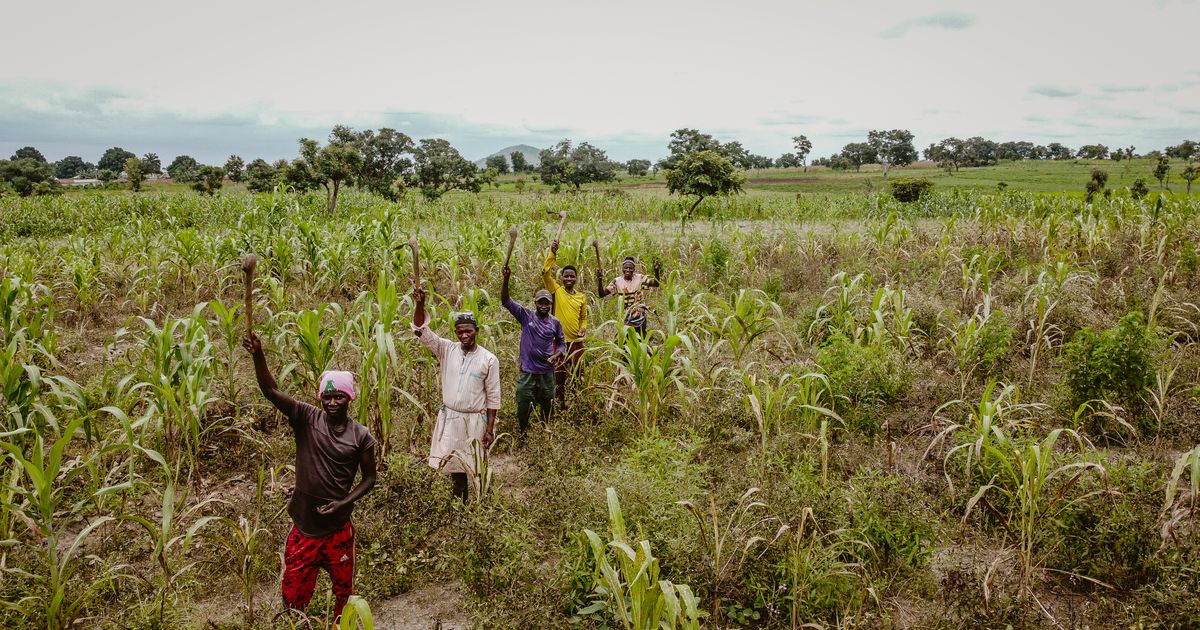
Risk management in Mozambican agriculture is achieved by mitigating weather, market, and personal risks through diversified planting, localized storage solutions, and cooperative support. Effectively navigating these three categories is the critical difference between a farm that thrives through a season and one that suffers a total collapse.
The Three Risk Categories
1. Weather Risk
- Droughts: Occur every 3-5 years, particularly impacting regions like Tete and Gaza.
- Floods: Zambézia and Sofala are consistently the most vulnerable zones.
- Cyclones: Cabo Delgado and Nampula face regular exposure.
- Pest outbreaks: Fall armyworm and locusts remain constant threats.
2. Market Risk
- Price crashes at harvest: Maize prices frequently drop from 40 to 15 MZN/kg.
- Currency depreciation: The MZN often loses ~15% of its value annually against the USD.
- Input cost spikes: Fertilizer prices saw global volatility during 2022-2023.
- Transport disruption: Seasonal rains frequently wash out rural roads.
3. Personal Risk
- Illness: Without formal health insurance, medical costs can destroy household savings.
- Death: Families often lose essential labor and traditional agricultural knowledge.
- Theft: Stored grain and livestock are common targets.
- Fire: Thatched-roof homes and stored crops are highly susceptible to fire damage.
The Impact on the Agricultural Season
For a smallholder farmer, these risks dictate the entire rhythm of the season. At planting, the threat of drought necessitates using resilient seeds, while the market risks dictate that farmers must plan for post-harvest storage rather than immediate selling. By focusing on these factors, farmers working with cooperatives like COJAZ can protect their labor and ensure the household remains stable regardless of external volatility.
The Risk Management Framework
Weather Risk Mitigation
- Drought-resistant seeds: Institutions like IIAM release new varieties annually.
- Diversified planting: Integrating cassava alongside maize provides a hedge against drought.
- Water harvesting: Techniques such as earth dams, contour planting, and mulching retain moisture.
- PICS storage: Utilizing hermetic storage protects grain against moisture and insect damage.
Market Risk Mitigation
- Store grain in PICS bags: Holding inventory allows farmers to sell at peak prices rather than harvest lows.
- Off-take agreements: Establishing a buyer and price expectation before planting stabilizes revenue.
- Join a cooperative: Collaborating with groups like COJAZ in Zambézia enables bulk sales at higher margins.
- Price alerts: Monitoring market data ensures farmers know when to bring crops to market.
Personal Risk Mitigation
- Emergency fund: Maintaining liquidity via platforms like M-Pesa helps cover household expenses.
- Health savings: Reserving funds for medical needs prevents total asset liquidation.
- Diversified labor: Avoiding reliance on a single family member protects farm productivity.
- Community support: Participating in local xitique groups creates a safety net for emergency cash.
Related guide: Climate-smart agriculture in Mozambique: 6 technologies helping farmers beat drought, floods and cyclones
The Nature of the Harvest
Agriculture as the engine of wealth: ten great books on farming, land, seed, water, risk and innovation, and who funds agriculture in Mozambique.
PDF ebook, instant download. $5 of every copy buys seed for a farmer.
Frequently asked questions
Why do maize prices drop at harvest? Increased supply hitting the market simultaneously often drives prices down from 40 to 15 MZN/kg.
How can farmers manage weather risks? Farmers use drought-resistant seeds, diversified planting strategies, and water harvesting techniques to survive environmental fluctuations.
What is the role of PICS bags in storage? These bags provide hermetic sealing, which prevents post-harvest damage from insects and environmental factors.
Versão Portuguesa
Gestão de Risco na Agricultura Moçambicana: Secas, Inundações e Choques de Mercado
Os agricultores moçambicanos enfrentam três categorias de risco principais: climático, de mercado e pessoal, que determinam a resiliência da sua produção agrícola.
As Três Categorias de Risco
1. Risco Climático: Secas frequentes em Tete e Gaza, inundações na Zambézia e Sofala, ciclones no Norte e pragas sazonais.
2. Risco de Mercado: A desvalorização sazonal dos preços, a instabilidade cambial do MZN e a interrupção das redes de transporte.
3. Risco Pessoal: Eventos como doenças, morte de membros da família, roubos ou incêndios que destroem colheitas.
Estrutura de Gestão de Risco
Clima: Uso de sementes resistentes à seca, plantio diversificado, colheita de água e sacos de armazenamento PICS.
Mercado: Armazenamento estratégico para venda posterior, acordos de compra antecipada, cooperação agrícola e monitoramento de preços.
Pessoal: Manutenção de fundos de emergência via M-Pesa, poupanças para saúde, diversificação do trabalho familiar e grupos comunitários de ajuda (xitique).
Para aprender mais sobre como o trabalho agrícola é organizado e ver como você pode apoiar diretamente o próximo ciclo, leia sobre como funciona o patrocínio e conheça os agricultores locais.
Maputo Bridge Capital, fundada por Anselmo Boaventura em Fort Worth, Texas, conecta patrocinadores com pequenos agricultores verificados em Moçambique, como os da cooperativa COJAZ em Zambézia. Um patrocinador contribui a partir de $25, valor que é enviado diretamente à loja local de sementes e fertilizantes, com 92% indo para o agricultor e 8% para verificação de campo e documentação. Após a colheita, os agricultores pagam ao Fundo Comunitário que apoia o próximo agricultor. Patrocine um agricultor agora. Por favor, note que as patrocínios são presentes e não investimentos.

